RSS

When buyers first start looking at waterfront real estate in Toronto, they usually begin with one massive, overarching search: “Queens Quay.” But as any local will tell you, Queens Quay is not just one long, uniform street.

Yonge Street acts as the great divider of the Toronto waterfront, splitting the area into two incredibly distinct lifestyles. Are you looking for the ultra-modern, rapidly expanding energy of the East? Or do you prefer the established, culturally rich, classic waterfront vibe of the West?

To help you decide which side of Yonge Street is right for you, we are putting two of our most highly searched buildings head-to-head: 15 Queens Quay E (Pier 27 The Tower) and 218 Queens Quay W (Waterclub III).

Here is everything you need to know about the great East vs. West debate.

The East Side: 15 Queens Quay East (Pier 27 The Tower)

The Building: Completed around 2021 by Cityzen Development Group, 15 Queens Quay East is the crown jewel of the Pier 27 community. Designed by architects—Alliance, this 35-storey tower is highly sculptural, featuring a sleek, jagged design that immediately stands out on the skyline.

The Vibe: Ultra-Modern, Upscale, and Evolving

Queens Quay East represents the "new" Toronto waterfront. Over the last few years, the East Bayfront has transformed into a master-planned hub of luxury and convenience. Living here means you are prioritizing cutting-edge architecture, brand-new finishes, and a slightly quieter, more residential streetscape compared to the tourist-heavy West side.

Why Buyers Love 15 Queens Quay E:

  • The Groceries: You are practically next door to the massive Loblaws flagship store at Lower Jarvis, plus a nearby Farm Boy and LCBO.

  • The Outdoors: Just a short stroll east brings you to the iconic pink umbrellas of Sugar Beach and the serene Water's Edge Promenade.

  • Transit & Connections: You are only a 10-minute walk from Union Station and directly beside the Jack Layton Ferry Terminal for easy weekend escapes to the Toronto Islands.

The West Side: 218 Queens Quay West (Waterclub III)

The Building:

Built by the Kolter Group, Waterclub III is the third tower in a sleek, highly functional, and well-established condominium complex. Standing at 27 storeys, this building is known for its bright, open-concept suites, spacious balconies, and beautiful circular architectural elements that maximize natural light.

The Vibe: Iconic, Energetic, and Culturally Rich

Queens Quay West is the classic postcard version of the Toronto waterfront. It is bustling, vibrant, and packed with things to do. If you want to be right in the middle of the action, with direct access to the city's biggest attractions, the West side is where you belong.

Why Buyers Love 218 Queens Quay W:

  • The Attractions: You are mere steps from the Harbourfront Centre, the Power Plant Contemporary Art Gallery, the CN Tower, and Ripley's Aquarium.

  • Incredible Amenities: Waterclub residents enjoy a shared, resort-style amenity space spanning all three towers, including a gorgeous indoor/outdoor pool and a massive BBQ lounge terrace overlooking the harbour.

  • Transit at Your Door: The 509 and 510 TTC streetcars stop right in front of the building, instantly connecting you to Union Station, Spadina, and the Exhibition grounds.

Direct Comparison: 15 Queens Quay E vs. 218 Queens Quay W

To make your decision a bit easier, here is a quick breakdown of how these two highly coveted addresses compare on paper:

Feature15 Queens Quay E (Pier 27)218 Queens Quay W (Waterclub III)
Age of BuildingNewer (Completed ~2021)Established (Completed ~2005)
Average Price Per Sq. Ft.Higher Premium (Often $1,100+)Better Value (Often $850 - $950+)
Immediate Green SpaceSugar Beach, Ferry TerminalHarbour Square Park, Martin Goodman Trail
Best For...Buyers wanting ultra-modern luxury and quieter, brand-new infrastructure.Buyers who want better square-footage value and immediate access to cultural hubs.

The Verdict: Which Side Wins?

There is no "wrong" choice when it comes to living on the water, but your decision ultimately comes down to your lifestyle priorities.

If you want a brand-new, architecturally striking suite and prefer the quieter, upscale convenience of the rapidly expanding East Bayfront, 15 Queens Quay E is your perfect match. However, if you want a bit more square footage for your money, unparalleled access to Toronto's top cultural attractions, and that classic, bustling waterfront energy, 218 Queens Quay W is the clear winner.

Ready to find your perfect waterfront home? Explore all of our active listings along Queens Quay today to see the latest floor plans and pricing for both the East and West sides.
Read

For years, Torontonians have watched the massive dirt piles and heavy machinery transform the industrial Port Lands. The highly anticipated $1.4 billion Port Lands Flood Protection project hasn't just reshaped the coastline—it has physically birthed an entirely new landmass in the city.

If you have been tracking the pre-construction market, you likely know this area by its placeholder name: "Villiers Island." However, as the island transitions from a massive engineering project into a real, livable neighborhood, it has been given a permanent, historically significant identity. Welcome to Ookwemin Minising (pronounced Oh-kway-min Min-nih-sing).

With updated development concepts officially released this year, this 98-acre island represents the most significant urban renewal opportunity in North America. Here is everything future residents and eco-conscious investors need to know about Toronto's newest waterfront community.


What Does "Ookwemin Minising" Mean?

The name Ookwemin Minising translates to "place of the black cherry trees" in Anishinaabemowin. It is a direct nod to the historical ecology of the original Ashbridges Bay marshland that existed before the area was industrialized in the early 20th century.

The naming reflects the city's broader vision for the island: a deep commitment to Indigenous place-keeping and climate-resilient infrastructure.

Geographically, this new island is perfectly positioned:

  • North: Bounded by the Keating Channel.

  • East & South: Wrapped by the newly excavated and naturalized Don River valley.

  • West: Opening up to the spectacular views of the Inner Harbour.

The 2026 Real Estate Update: What Are They Building?

The scope of this project is massive, and the 2026 design updates have made it even more ambitious. The master design team (SLA and GHD) recently updated the urban plan to significantly boost density, ensuring the island can support Toronto's growing population while remaining highly livable.

  • Increased Density: The 48 developable acres are now slated to accommodate up to 12,000 new homes.

  • The Housing Mix: To create a diverse, vibrant neighborhood, the community will feature a strategic blend of market-rate waterfront condos, purpose-built rentals, and affordable housing.

  • Centre Commons: The heart of the island will be the "Centre Commons," a pedestrian-focused, lush green corridor running east-to-west that will serve as the neighborhood's primary gathering hub.

Can't wait until the 2030s? While Ookwemin Minising represents the future of the city, there are incredible, move-in-ready opportunities available right now in nearby East Bayfront. Explore our active Waterfront Condos For Sale to find your piece of the shoreline today.


Biidaasige Park & The Unmatched Lifestyle

What makes Ookwemin Minising unprecedented is the sheer volume of nature integrated directly into the urban grid. More than half the island—over 50 acres—is dedicated exclusively to parkland, wetlands, and river access.

The crown jewel of this green space is the island's perimeter "ring park," officially named Biidaasige Park (meaning "sunlight shining towards us"). This continuous park system allows residents to step out of their high-rise condos and immediately immerse themselves in nature, complete with kayak launches, boardwalks, and wildlife habitats.

Furthermore, the island is designed as a true "15-minute neighborhood." Striking new colored bridges connect the island directly to downtown Toronto, making it one of the most walkable and bikeable transit hubs in the city.

Investment Timeline: When Can You Move In?

As of 2026, the physical island exists, but there is still plenty of work to do before the moving trucks arrive.

  • The Current Phase: This year is entirely focused on designing the public spaces, laying out the street grid, and installing the complex subterranean utility infrastructure required to support 12,000 homes.

  • Target Move-In: Buyers should manage their expectations; the first residential buildings are projected to take occupancy in the early 2030s.

  • The Investor Angle: So, why care now? Smart real estate investors know that the highest returns come to those who get in first. By tracking this project today, you are positioning yourself to act the moment the very first, highly coveted pre-construction phases launch.

The Crown Jewel of the Waterfront

Ookwemin Minising is not just another condo development; it is a complete reimagining of what downtown living can be. By blending climate resilience, Indigenous history, and state-of-the-art urban design, this island is set to become the undisputed crown jewel of the Toronto waterfront.

Don't miss out on the most anticipated real estate launch of the decade. If you have any questions, message Waterfront Condos now.

Read

When buyers first start exploring Toronto’s waterfront, it’s easy to fall in love with the unobstructed lake views, the resort-style pools, and the proximity to the Financial District. But once you start running the numbers, a common question inevitably pops up: "Why are the maintenance fees so high, and are they actually worth it?"

If you are looking to buy a condo in the East Bayfront, Queens Quay, or Harbourfront in 2026, understanding your carrying costs is just as important as the purchase price. Maintenance fees are often viewed as the "bane of condo living," but the reality is that a well-managed fee structure is exactly what protects your property value.

Here is the honest, no-nonsense breakdown of what your maintenance fees actually cover, why older buildings cost more, and what a "good" per-square-foot rate looks like on the waterfront today.

1. The Breakdown: What Exactly Are You Paying For?

It is a common misconception that maintenance fees just go toward "cleaning the lobby." In reality, your monthly fee is the financial engine that keeps your luxury building running and financially solvent. In Ontario, these fees generally cover three main categories:

  • The Reserve Fund: By law (under the Condominium Act), a portion of your fees must go into the building's reserve fund. Think of this as the building's emergency savings account. It pays for massive future repairs like replacing the roof, fixing the underground parking garage, or upgrading the elevators.

  • Operating Costs & Amenities: This covers the day-to-day running of the building. On the waterfront, this is usually higher because of the premium amenities. You are paying for 24/7 concierge and security, landscaping, snow removal, maintaining the fitness center, heating the outdoor pools, and general building insurance (note: you still need personal contents insurance).

  • Utilities: Depending on the building, your fees may cover some or all of your utilities (water, heat, central air). In most modern buildings, hydro (electricity) is metered separately for each unit.

2. The "Old Building" Premium: Why Age Costs More

If you compare a 15-year-old building on Queens Quay West to a brand-new build in the East Bayfront, you will almost always notice that the older building has significantly higher maintenance fees. There are three main reasons for this:

  1. Wear and Tear: Just like a house, a high-rise building needs more maintenance as it ages. Elevators break down, HVAC systems need replacing, and windows lose their seals. Older buildings must increase fees to keep the reserve fund healthy enough to handle these inevitable repairs.

  2. Inclusive Utilities: Many older condos (built before 2010) included all utilities—hydro, heat, and water—in the monthly maintenance fee. In contrast, newer buildings sub-meter these utilities, meaning the base maintenance fee looks much lower, but you are paying separate bills directly to the utility providers.

  3. The "Honeymoon Phase" is Over: Pre-construction and brand-new condos often have artificially low maintenance fees for the first year or two to attract buyers. Once the building has been operational for a few years and the condo board realizes the true cost of running the amenities, the fees are inevitably adjusted to match reality.

3. The 2026 Benchmark: What is a "Good" Fee on the Waterfront?

In 2026, the average maintenance fee across downtown Toronto hovers between $0.75 and $0.95 per square foot. However, because waterfront condos often feature premium, resort-style amenities (like the massive outdoor pools at Pier 27 or Aqualina), they naturally sit at the higher end of the spectrum.

Here is a quick reference guide to help you determine if a building's fees are reasonable for the waterfront market in 2026:

Building Age / TypeAverage 2026 Fee (per sq. ft.)What It Usually Indicates
Newer Builds (0–5 Years)$0.70 – $0.80Excellent value. Utilities are likely billed separately. Expect mild annual increases as the building stabilizes.
Mid-Age Builds (5–15 Years)$0.80 – $0.90The sweet spot. The building has a proven financial track record, and the reserve fund is likely healthy.
Older or Ultra-Luxury (15+ Years)$0.95 – $1.15+Typical for established luxury buildings with sprawling floor plans, or buildings where all utilities are included in the fee.

Pro Tip: Don't forget to factor in parking and lockers! If you own a parking spot, it will typically add an extra $60 to $100 per month to your total maintenance fee, while a locker adds about $20 to $40 per month.

The Bottom Line: High Fees Aren't Always Bad

A high maintenance fee isn't necessarily a red flag—it often means the condo board is proactive, the building is pristine, and the reserve fund is fully funded (meaning you won't get hit with a surprise $15,000 "special assessment" bill when the roof needs fixing). The only true red flag is a fee that is suspiciously low for the age of the building, which often signals deferred maintenance.

Before you buy, our team always reviews the building's Status Certificate to ensure the condo corporation is financially bulletproof.

Ready to find a waterfront property that fits your monthly budget? Browse our latest waterfront listings or reach out to our team today to map out your carrying costs.

Read

In real estate, the most profitable investments are made by looking at what a neighborhood will look like five to ten years from now. We have talked extensively about the massive impact the Ontario Line will have on Toronto property values. But on March 30, 2026, the Federal, Provincial, and Municipal governments finally funded the missing piece of the eastern transit puzzle.

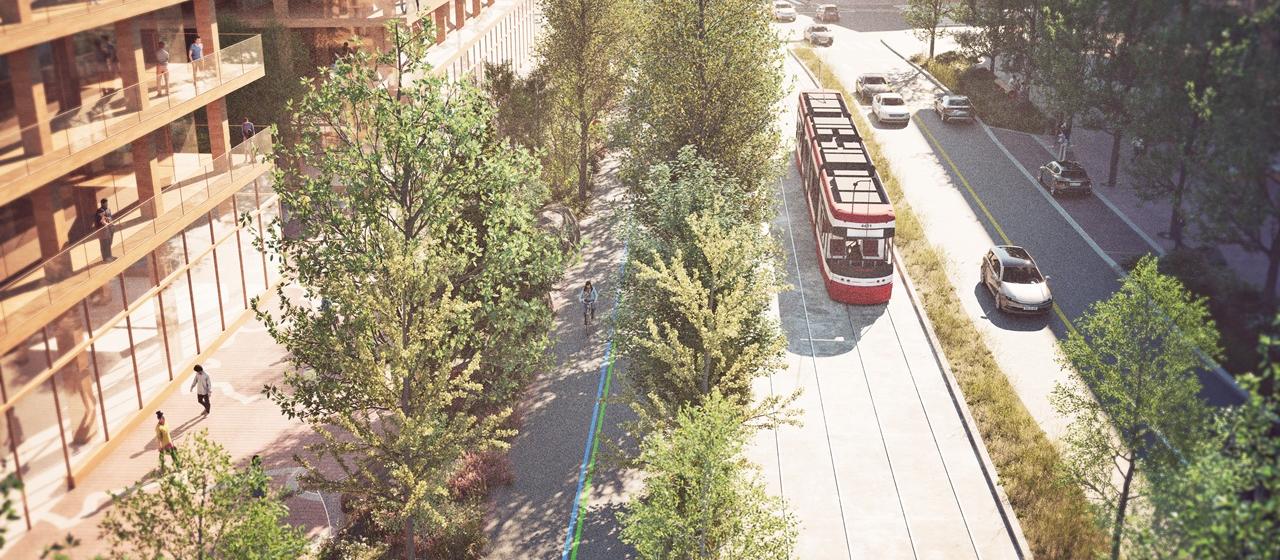
Waterfront Toronto LRT

courtesy: Waterfront Toronto

In a historic announcement, all three levels of government agreed to a $3-billion cost-sharing agreement to officially build the Waterfront East LRT.

If you own property—or are planning to buy—in the East End, this is the exact catalyst you have been waiting for. Here is a breakdown of the new transit line, the massive economic boom it will trigger, and why property values south of Queen Street are poised for a major spike.


The Route: Connecting Union Station to the Future

For years, the eastern waterfront has suffered from a critical lack of rapid transit. The new Waterfront East LRT changes the geography of the city entirely.

The fully funded line will finally connect Union Station directly to the rapidly transforming Port Lands, traveling through the East Bayfront and straight into Ookwemin Minising (the newly formed 98-acre artificial island at the mouth of the naturalized Don River).

Instead of waiting for unreliable buses in gridlock traffic, residents of the southern East End will now have a dedicated, rapid streetcar connection straight into the financial core.

75,000 Homes & 100,000 Jobs: The Math Behind the Boom

Governments do not spend $3 billion on transit just to make the morning commute slightly more convenient. They build transit to unlock density.

With the Waterfront East LRT officially moving from a "proposed idea" to a "funded reality," developers have the green light to break ground. The government projects this specific transit infrastructure will unlock the capacity for 75,000 new homes and create 100,000 new jobs in the Port Lands and surrounding waterfront precincts over the next couple of decades.

This essentially creates an entirely new downtown hub on the eastern waterfront—and it sits right on the doorstep of Toronto's most beloved east-end neighborhoods.


Why the East End is the Biggest Winner

While the new development on Ookwemin Minising will be spectacular, the true "hidden" value play lies in the established neighborhoods sitting just north of the Port Lands.

If you are looking at Leslieville, the Studio District, or The Beaches, pay very close attention to properties south of Queen Street (and particularly south of Eastern Avenue).

Here is why this $3-billion announcement changes the math for these areas:

  • The "Transit Premium": Properties within a 10-minute walk of a major rapid transit station historically see a distinct premium in their valuation. The southern pockets of Leslieville and the Studio District have always been slightly transit-starved. The Waterfront East LRT instantly fixes this, making these homes far more attractive to high-income renters and downtown professionals.

  • The Employment Proximity: With 100,000 new jobs coming to the Port Lands, thousands of professionals will want to live nearby. They will look immediately to the charming, tree-lined streets of Leslieville and The Beaches.

  • The Lifestyle Upgrade: The Port Lands revitalization isn't just concrete; it includes massive new parks (like Biidaasige Park), wetlands, and entertainment destinations. East End residents will now be a quick walk or LRT ride away from the most modern, master-planned waterfront in North America.


The Timeline: How to Play the Market

When transit is announced, property values typically see two distinct "spikes." The first happens when the funding is officially announced and the uncertainty is removed (which is happening right now). The second, much larger spike happens the year the transit line actually opens and buyers can physically experience the convenience.

If you wait until the LRT tracks are visibly laid in the ground and the new waterfront parks are fully open, you will be paying the finished-product premium. The smart money buys during the construction phase.

Whether you are looking for a condo in the Studio District, a semi-detached flip in Leslieville, or a long-term hold in The Beaches, the $3-billion Waterfront East LRT has just drastically raised the ceiling for future equity in the East End.

Ready to start looking at properties in the transit path? Browse our exclusive East End listings here or contact our team today to map out your investment strategy.

Read

39 Queens Quay Floor Plans and Price List 2026

Are you looking for the most up-to-date 39 Queens Quay floor plans and price list 2026? As one of Toronto’s most iconic waterfront addresses, Pier 27 (Waterlink) continues to be a top choice for luxury buyers and investors.

While many sites offer outdated data, this guide provides the current market reality for 2026, including active listing prices, historical appreciation, and a detailed look at the floor plans that define this lakeside masterpiece.


39 Queens Quay East: 2026 Price List Overview

In 2026, the market value at Pier 27 has stabilized, with an average price per square foot hovering around $1,098. Depending on the view (Lake vs. City) and the floor level, prices vary significantly.

Active Market Pricing (Early 2026)

Unit TypeApprox. Square Footage2026 Price RangeAvg. Monthly Rent
1 Bedroom500 – 699 sq. ft.$640,000 – $750,000$2,450 – $2,800
1 Bed + Den650 – 850 sq. ft.$780,000 – $920,000$3,100 – $3,400
2 Bedroom800 – 1,199 sq. ft.$899,000 – $1,350,000$3,500 – $4,500
3 Bedroom+1,400 – 2,800+ sq. ft.$1,890,000 – $2,600,000+$7,500+

Note: Maintenance fees for 2026 are approximately $0.98 - $1.05 per sq. ft., covering heat, water, and building insurance.


Exploring the 39 Queens Quay Floor Plans

The "Waterlink" at Pier 27 is famous for its diverse layouts, designed by ArchitectsAlliance. Whether you are looking for a compact city pied-à-terre or a sprawling sky-bridge penthouse, there is a layout for you.

Popular Layout Categories

  • The Podium Collection: Smaller, efficient 1-bedroom and 1+1 units (480–700 sq. ft.) perfect for young professionals.

  • The SkyBridge Suites: High-end units located in the 3-storey bridge connecting the towers. These offer the most unobstructed lake views in the city.

  • The Townhome Series: Rare, ground-level units (up to 2,300 sq. ft.) that feature private elevators and direct street access—ideal for families who want a "house feel" on the water.

View all high-resolution 39 Queens Quay floor plans here


Why Pier 27 Remains a Hotspot in 2026

Living at 39 Queens Quay East isn't just about the four walls; it’s about the lifestyle. Here is why the demand remains at an all-time high:

  1. Direct Water Access: Unlike most "waterfront" buildings separated by the Gardiner Expressway, Pier 27 sits south of Queens Quay. There is nothing between you and the lake.

  2. State-of-the-Art Amenities: Residents enjoy 24-hour concierge, an outdoor pool with a tanning deck overlooking the harbor, a fully equipped gym with a yoga studio, and a private screening room.

  3. Transit Connectivity: Union Station is a flat, 10-minute walk away. In 2026, the revitalized East Bayfront transit corridor makes commuting east or west via the TTC more efficient than ever.


3 Expert Tips for Buyers at 39 Queens Quay

If you are eyeing a unit at Pier 27 in 2026, keep these insider tips in mind:

  • Watch the Views: Several new developments in the East Bayfront (like the Sidewalk Labs area) are changing the skyline. Always check if a neighboring lot has a "Notice of Development" that might impact your future lake view.

  • Parking Value: Parking spots at 39 Queens Quay now trade for $60,000 to $75,000. If you don't drive, buying a unit without a spot can save you a significant amount on the purchase price.

  • Unit Condition: As the building approaches its 10th year, look for units where owners have upgraded the original Miele appliances or quartz countertops to maintain peak resale value.


Are you ready to see what's currently available? Visit our dedicated 39 Queens Quay Portal to browse active listings, download the full 2026 price list, and book a private tour of the building’s amenities today.


5 Frequently Asked Questions About 39 Queens Quay (Pier 27)

1. What are the maintenance fees at 39 Queens Quay in 2026?

In 2026, maintenance fees at 39 Queens Quay East (Pier 27) average between $0.98 and $1.05 per square foot. These fees typically include heat, water, central air conditioning, building insurance, and access to all common elements such as the outdoor pool and fitness center. Hydro (electricity) is usually metered separately for each unit.

2. Does 39 Queens Quay have guest parking and visitor amenities?

Yes. Pier 27 offers dedicated visitor parking for guests. Residents also have access to high-end amenities including a 24-hour concierge, an outdoor swimming pool with a lake-view deck, a professional-grade gym, a theater room, and a valet service options.

3. Are the lake views at 39 Queens Quay protected?

Because 39 Queens Quay is situated on the south side of the street—directly on the water's edge—units with south-facing views have some of the most "protected" lake views in Toronto. Unlike buildings north of the Gardiner, there are no future development lots between Pier 27 and Lake Ontario. However, it is always recommended to check the specific orientation of a unit regarding neighboring towers.

4. Is 39 Queens Quay a pet-friendly building?

Yes, Pier 27 is a pet-friendly condominium. Residents enjoy immediate access to the Water’s Edge Promenade and nearby parks like Sugar Beach and Sherbourne Common, making it one of the best locations in the city for dog owners.

5. How far is 39 Queens Quay from Union Station and the TTC?

The building is incredibly well-connected. It is approximately a 10-minute walk (or a 3-minute transit ride) to Union Station, Toronto’s primary transit hub for the TTC, GO Transit, and VIA Rail. The 6 Bay bus and the Queens Quay streetcar stop are also located just steps from the main entrance.

Read

15 Lower Jarvis vs. 29 Queens Quay East: Comparing Floor Plans, Amenities, and Value

If you are looking to buy a condo on Toronto’s rapidly transforming eastern waterfront in 2026, you have likely narrowed your search down to two major addresses: 15 Lower Jarvis Street and 29 Queens Quay East.

While these two buildings sit just a few blocks away from each other, they cater to entirely different lifestyles, budgets, and real estate goals. 15 Lower Jarvis (Lighthouse West Tower by Daniels) offers a highly amenitized, energetic urban vibe, while 29 Queens Quay East (Pier 27 by Cityzen/Fernbrook) is one of Toronto's most recognizable, ultra-luxury waterfront estates.

If you are torn between the two, here is a complete breakdown of their floor plans, amenities, and overall real estate value to help you make the right investment.


The Matchup at a Glance

Feature15 Lower Jarvis (Lighthouse West)29 Queens Quay East (Pier 27)
DeveloperThe Daniels CorporationCityzen & Fernbrook Homes
Year Built20202015-2016
The VibeCreative, energetic, modern city livingExclusive, ultra-luxury, resort-style
Target BuyerYoung professionals, investors, first-time buyersHigh-net-worth buyers, executives, downsizers
Signature AmenityFull Tennis/Basketball Court & Arts StudioWaterfront Outdoor Pool & Private Spa

1. Floor Plans and Finishes: Compact Modern vs. Sprawling Luxury

The most distinct difference between these two buildings lies in the size and finish level of the suites.

15 Lower Jarvis Street (Lighthouse West)

Daniels designed this building to be highly accessible to young professionals and investors. As a result, the floor plans prioritize compact, highly functional living.

  • The Layouts: You will find a high volume of efficient studios (starting under 400 sq. ft.) and 1-bedroom layouts. The 2-bedroom units are well-designed but generally hover in the 700 to 800 sq. ft. range.

  • The Finishes: Suites feature sleek, contemporary finishes, 9-foot ceilings, modern laminate flooring, and integrated premium appliances. It feels fresh, trendy, and easy to maintain.

29 Queens Quay East (Pier 27 Phase II)

Pier 27 was built for buyers who want "a cottage in the city." The floor plans here are massive compared to standard downtown condos.

  • The Layouts: While there are some 1-bedrooms, this building is famous for its sprawling 2-bedroom, 3-bedroom, and multi-level townhouse suites that frequently exceed 1,500 to 2,500+ sq. ft.

  • The Finishes: The luxury here is unparalleled. Expect 10-foot ceilings, wide-plank hardwood, Sub-Zero refrigerators, Miele gas ranges (a rarity in Toronto condos), custom Downsview cabinetry, and spa-inspired ensuites with heated floors.

2. The Amenities Showdown

Both buildings offer spectacular amenities, but they serve different resident lifestyles.

The "City of the Arts" at 15 Lower Jarvis:

With over 25,000 sq. ft. of amenity space spread across the 3rd and 11th floors, Lighthouse West is built for an active, social lifestyle.

  • Highlights: A full-size tennis and basketball court, a fully equipped arts and crafts studio, a music room, community gardening plots, and a massive fitness centre. It is incredibly community-focused.

The "Resort Experience" at 29 Queens Quay East:

Pier 27 is entirely focused on relaxation, exclusivity, and wellness.

  • Highlights: A stunning outdoor swimming pool with a tanning deck and cabanas right on the water's edge, an indoor resistance pool, a private health club, spa treatment rooms (with steam and saunas), and top-tier 24-hour concierge and valet services.

Key Takeaway: If you want to play pickup basketball and socialize with neighbors, choose 15 Lower Jarvis. If you want to quietly lounge by the water in a private cabana, choose 29 Queens Quay East.

3. Pricing and Investment Value

Because these buildings target different demographics, the barrier to entry is completely different.

  • The Value Play (15 Lower Jarvis): In 2026, this building offers incredible value for investors and first-time buyers. You can still secure functional studios and 1-bedroom units here in the $400,000 to $600,000 range. With George Brown College nearby and massive corporate offices moving into the East Bayfront, the rental demand for these units is exceptionally high, making it a reliable cash-flow property.

  • The Blue-Chip Asset (29 Queens Quay East): Pier 27 is legacy real estate. The iconic cantilevered skybridges and absolute waterfront positioning mean these units command a massive premium. Entry-level 1-bedrooms often sit near the $800,000+ mark, while the larger suites, penthouses, and townhomes trade anywhere from $1.5 Million to over $4 Million. You are paying for protected, unobstructed lake views and elite exclusivity.


The Verdict: Which Address is Right for You?

If you are an investor looking for a high-yield rental property, or a young professional who wants to live steps from Sugar Beach and the St. Lawrence Market without breaking the bank, 15 Lower Jarvis is the clear winner.

However, if you are an established executive or downsizer looking to trade a large detached home for an uncompromising, ultra-luxury waterfront estate with gas stoves and resort-style pools, 29 Queens Quay East is simply in a league of its own.

Read

Parking and Transit in The Beaches: A Survival Guide for Home Buyers

The Beaches (or "The Beach," depending on who you ask) is arguably Toronto’s most idyllic neighbourhood. But for new buyers, the dream of boardwalk strolls often hits a speed bump when they ask two terrifying questions: "Where do I park?" and "How long is the commute?"

If you are looking to buy in 2026, you already know the headlines: The Queen Street construction is ongoing, and parking pads are like gold dust.

But don't panic. Thousands of us commute from here every day, and we survive (and love it). Here is the honest survival guide to navigating cars and streetcars in the East End.

1. The Street Parking Reality: It’s Not as Bad as You Think

A common myth is that you need a private driveway in The Beaches. While a private drive adds significant value (often $100k+), street parking is the norm for the majority of residents south of Queen.

  • The Permit System: Most streets in The Beaches use the City of Toronto’s residential permit parking system. As of 2026, if you do not have access to on-site parking, you can purchase a permit for roughly $23.08/month (subject to inflation/city adjustments).

  • The "Summer Crush": The only time parking gets truly "competitive" is on sunny July weekends when the rest of the city descends on the beach.

    • Survival Tip: If you rely on street parking, try to park your car on Friday afternoon and leave it there until Monday morning. Use your bike or walk for weekend errands to avoid losing your prime spot.

2. The 501 Queen Streetcar: The Workhorse (With Detours)

The 501 Queen is iconic, but in 2026, it requires some patience. With ongoing watermain work and track replacement on Queen St. East (specifically between Davies and Broadview) and Ontario Line construction downtown, diversions are part of the daily routine.

  • The Current Reality: Expect replacement buses or diversions during active construction phases. While this adds time, the TTC has supplemented service with the 503 Kingston Road bus/streetcar, which often provides a faster, more direct route to King and Bay during rush hour.

  • Survival Tip: If you live north of Queen, the 503 is often the superior choice. It skips the Queen Street congestion and drops you right in the Financial District.

3. The Secret Weapon: Danforth GO

Smart commuters in The Beaches often skip the streetcar entirely. The Danforth GO Station (at Main and Danforth) is a game-changer.

  • The Commute: It takes approximately 12-15 minutes to get from Danforth GO to Union Station.

  • The Connection: You can take the 64 Main bus straight up from Queen Street to the GO station in about 7–10 minutes.

  • Survival Tip: If you work near Union Station, this is your fastest option. It turns a 50-minute streetcar grind into a breezy 25-minute total commute.

4. Front Pad Parking: The "Unicorn" Feature

You will see many homes with licensed front yard parking pads. If you are buying a home with one, verify the license immediately.

  • Buyer Beware: Front yard parking licenses do not automatically transfer to the new owner. You must re-apply to the city to keep the spot legal. Never assume a paved spot is a legal spot—ask your agent to pull the city records.

The Bottom Line

Don't let the commute scare you away. The trade-off for a slightly longer ride is coming home to a lakeside resort every single evening.

Are you looking for a home with that elusive private driveway, or want to know which streets have the best permit availability?

Check out our latest listings and specific street guides here: https://eastendhomes.ca/beaches-real-estate.html

Read

Playgrounds & Green Space: A Guide to HTO Park, Sugar Beach, and Sherbourne Common Category: Neighbourhood Guides / Waterfront Living

One of the biggest misconceptions about condo living in downtown Toronto is that you have to give up "green space" for "views."

If you live in the Waterfront communities, the opposite is true. You trade a small patch of backyard grass for acres of professionally designed public space that serves as your front lawn. The East Bayfront and Central Waterfront have transformed into a playground for residents, offering distinct vibes depending on which way you turn when you leave your lobby.

Whether you are looking for a quiet place to read or a splash pad for the kids, here is your guide to the three crown jewels of Toronto’s waterfront parks.

1. HTO Park: The Original Urban Beach

  • The Vibe: Mature, grassy, and serene.

  • The Signature: The bright yellow umbrellas and Muskoka chairs.

HTO Park was the first wave of the waterfront’s renaissance. Located just west of Spadina, it is actually two parks (HTO West and HTO East) separated by a slip of water. It is famous for its "urban beach"—a giant sandbox filled with fine white sand and chairs looking out onto the harbour.

Best For: A quiet Sunday morning coffee. Because it has large grassy knolls behind the sand, it’s perfect for finding a shady tree to read a book under. It feels slightly more "park-like" and less busy than its eastern neighbours.

2. Sugar Beach: The Social Hub

  • The Vibe: Whimsical, energetic, and highly Instagrammable.

  • The Signature: The iconic pink umbrellas and the Redpath Sugar factory backdrop.

Located at the foot of Jarvis Street in the East Bayfront, Canada’s Sugar Beach is perhaps the most recognizable park in the city. It plays off the industrial history of the neighbouring sugar refinery, using candy-striped rocks and pink accents to create a playful atmosphere.

Best For: Socializing and sunbathing. This is where the city comes to hang out on a hot Saturday. The water feature (a dynamic splash pad embedded in granite) is a magnet for kids, while the Muskoka chairs are often filled with friends catching up. It’s vibrant, busy, and full of life.

3. Sherbourne Common: The Year-Round Performer

  • The Vibe: Modern, architectural, and active.

  • The Signature: The striking zinc pavilion and the "Art of Water" sculptures.

Just a few steps east of Sugar Beach, Sherbourne Common is a marvel of landscape architecture. It is more than just a park; it is also a stormwater treatment facility disguised as public art. The water channels running through the park are actually cleaning lake water!

Best For: Active living in all seasons.

  • Summer: The splash pad is massive and a favourite for local families.

  • Winter: This is the neighbourhood’s living room. The splash pad converts into a refrigerated skating rink with amazing views of the skyline. If you live at Monde or Aqualina, this is practically your private rink.


Is This Your New Backyard?

Living on the waterfront isn't just about the condo unit; it's about the lifestyle that waits for you in the elevator. Imagine trading your commute for a walk through Sugar Beach, or teaching your kids to skate at Sherbourne Common on a Tuesday night.

If you are ready to make the waterfront your home, you need to know which buildings offer the best access to these incredible spaces.

Browse current listings and explore the neighbourhood at Waterfront-Condos.ca. We know every building along the shoreline—let us help you find the one that fits your lifestyle.

Read

After-Work Drinks: The Top 5 Happy Hour Spots with Lake Views

There is a specific kind of magic that happens when the clock strikes 5:00 PM on the Toronto Waterfront. As the sun begins to dip lower, casting a golden shimmer across Lake Ontario, the city’s pace shifts from high-gear hustle to lakeside relaxation.

For those lucky enough to call the Waterfront home, the "commute" to cocktail hour is often just a short stroll away. Whether you’re looking to network with colleagues or unwind after a long day of meetings, these five spots offer the perfect blend of refreshing drinks and unbeatable blue horizons.

1. The Slip

If you want to feel like you’ve been transported to a beach resort without leaving the city, The Slip is your go-to. Located at Harbourfront Centre, this massive open-air patio is the epitome of summer in Toronto.

  • The Vibe: Casual, sun-drenched, and social.

  • The View: Unobstructed panoramas of the harbour and the ferries gliding toward the Islands.

  • What to Order: A local craft beer or their signature frozen sangria to beat the humidity.

2. Goodman Pub & Kitchen

Located right on Queens Quay West, Goodman Pub offers a sophisticated yet approachable "British Pub" feel with a distinctly Canadian lakeside twist. Their patio is one of the most coveted spots in the neighborhood.

  • The Vibe: Energetic and upscale-casual. It’s a favorite for the professional crowd living in nearby towers.

  • The View: A front-row seat to the sailboats docked at the marina.

  • What to Order: Check their daily features for deals on wine and oysters—the perfect post-work pairing.

3. Amsterdam BrewHouse

A staple of the Waterfront, this 14,000-square-foot facility features multiple patios that wrap around the water's edge. Because they brew on-site, the beer is as fresh as the lake breeze.

  • The Vibe: Industrial-chic meets lakeside lodge. It’s perfect for large groups or meeting new neighbors.

  • The View: Sweeping views of the Toronto Inner Harbour.

  • What to Order: The "Adventure Brew" flight to sample their latest seasonal creations.

4. Against the Grain (Corus Quay)

Situated right next to Sugar Beach, Against the Grain offers a slightly more serene atmosphere. Its expansive terrace is elevated just enough to provide a stunning perspective of the Eastern Gap.

  • The Vibe: Stylish, modern, and slightly more relaxed than the central Harbourfront hubs.

  • The View: The whimsical pink umbrellas of Sugar Beach set against the deep blue of the lake.

  • What to Order: A crisp glass of Chardonnay or a botanical gin and tonic.

5. Irene

Located inside the St. Lawrence Market neighborhood’s southern edge but facing the water, Irene (formerly Against the Grain’s sister location) brings a touch of "lakeside bistro" to the East End waterfront. It’s the perfect spot for those living near the Distillery District or the newer East Bayfront developments.

  • The Vibe: Intimate and refined.

  • The View: A peaceful, wide-angle look at the lake, away from the heavy tourist foot traffic.

  • What to Order: One of their handcrafted seasonal cocktails.


Living the Waterfront Lifestyle

The beauty of living at the water’s edge isn't just about the square footage of your condo; it’s about the lifestyle that starts the moment you step out of your lobby.

Are you looking to make the Toronto Waterfront your permanent backyard? Browse our latest listings at Waterfront-Condos.ca and find a home that puts you within walking distance of the city’s best views.

Read

Waterfront vs Financial District Condos — Which Is Right for You?

Downtown Toronto offers two of the city’s most desirable condo markets: Waterfront condos and Financial District condos. Both attract buyers looking for convenience, long-term value, and urban lifestyle, but each delivers a very different living experience.

If you’re deciding where to buy, here’s how these two markets compare and which one may suit your lifestyle, budget, and goals.


Lifestyle Differences

Waterfront Condos

Waterfront living is about balance and space. Residents enjoy lake views, walking trails, and a calmer atmosphere while still being minutes from downtown.

Typical lifestyle benefits include:

  • Scenic views of Lake Ontario

  • Access to boardwalks, parks, and bike paths

  • Newer condo buildings with resort-style amenities

  • A quieter environment outside of business hours

Waterfront condos are especially popular with professionals, downsizers, and buyers who prioritize lifestyle over proximity to office towers.

You can explore current listings and market insights at https://waterfront-condos.ca/.


Financial District Condos

Financial District condos are built for convenience and speed. Living here means stepping outside your building and being minutes from offices, transit hubs, and Toronto’s business core.

Key lifestyle advantages:

  • Walk-to-work convenience

  • Direct access to PATH, Union Station, and TTC

  • Strong demand from professionals and investors

  • High rental appeal year-round

This area suits buyers who value efficiency, career proximity, and strong rental demand.


Price & Value Comparison

Waterfront condos often command a premium due to views and newer construction, especially for south-facing or lakefront units. However, buyers often receive larger layouts, balconies, and modern amenities.

Financial District condos may offer higher price-per-square-foot, but smaller unit sizes are common. Value here is driven by location and demand rather than space.


Investment & Rental Potential

Both markets perform well, but for different reasons.

Waterfront condos:

  • Appeal to long-term renters and end users

  • Lower tenant turnover

  • Strong lifestyle-driven demand

Financial District condos:

  • High rental demand from professionals

  • Shorter vacancy periods

  • Ideal for investor-focused strategies

Your investment goals should guide your decision.


Amenities & Building Style

Waterfront buildings typically feature:

  • Pools and fitness centres

  • Concierge services

  • Rooftop terraces and lounges

  • Larger common areas

Financial District buildings focus more on:

  • Security and concierge access

  • Business lounges and co-working spaces

  • Direct connections to transit


Which Should You Choose?

Choose Waterfront Condos if you:

  • Want views, outdoor access, and quieter living

  • Plan to live in the unit long-term

  • Value space and lifestyle amenities

Choose Financial District Condos if you:

  • Work downtown

  • Want strong rental demand

  • Prefer walkability and transit access

Many buyers ultimately choose based on lifestyle first and investment second.


Final Thoughts

Both Waterfront condos and Financial District condos remain strong choices in Toronto’s downtown market. The right option depends on how you live, work, and invest.

If you’re exploring waterfront opportunities specifically, visit https://waterfront-condos.ca/ for updated listings, market insights, and expert guidance tailored to Toronto’s waterfront communities.

Read

Top Waterfront Condos to Buy in Toronto in 2026

Toronto’s waterfront continues to be one of the city’s most desirable and sought-after locations for condo buyers. From stunning lake views to prime access to downtown amenities, waterfront condos offer the perfect blend of lifestyle and investment potential. As the city continues to grow and develop, the waterfront remains a top choice for those looking to buy in 2026.

If you’re thinking about purchasing a condo along Toronto’s beautiful waterfront, this guide highlights the top waterfront condos to buy in 2026 — with an emphasis on investment value, location, and amenities.


Why Waterfront Condos in Toronto Are in High Demand

Toronto’s waterfront offers a unique living experience. Buyers are drawn to the following:

  • Stunning Views: Enjoy panoramic views of Lake Ontario and Toronto’s skyline.

  • Proximity to Downtown: The waterfront is just minutes from the financial district, shops, restaurants, and entertainment.

  • Lifestyle Amenities: Walkable neighbourhoods with access to trails, parks, cafés, and the water’s edge.

  • Long-Term Value: Waterfront condos have a proven track record of strong price appreciation.

With developments like Sugar Wharf and other ongoing projects, the waterfront will continue to see growth, making it a smart place to invest.


Best Waterfront Condos to Buy in 2026

1. Sugar Wharf Condos (10, 15, and 20 Lower Jarvis St.)

Sugar Wharf is one of the most anticipated developments along Toronto’s waterfront. This expansive community will offer a mix of luxury condos, retail, and commercial spaces. The building’s prime location at Lower Jarvis Street means easy access to the lakeshore, Union Station, and the downtown core.

  • What to Love:

    • Stunning lakefront views

    • Proximity to the upcoming Ontario Line

    • Spacious floor plans, including 1, 2, and 3-bedroom options

    • High-end amenities, including a gym, pool, and rooftop terrace

Why Buy Here: The development is expected to see high demand from both buyers and renters, given its proximity to major transit and the anticipated growth of the surrounding area.


2. 10 York Condos

Located at 10 York Street, this luxury waterfront condo development offers incredible views of Lake Ontario, plus proximity to the Entertainment District and the financial hub of Toronto. 10 York’s modern designs and world-class amenities make it a perfect choice for young professionals and investors alike.

  • What to Love:

    • 24-hour concierge and security

    • A state-of-the-art fitness centre and yoga studio

    • Heated outdoor pool with lake views

    • Large windows and modern finishes

Why Buy Here: The combination of location, amenities, and views makes 10 York a strong long-term investment.


3. Bayside Toronto Condos

Bayside Toronto, located at Queens Quay East, is one of the most exciting mixed-use developments in the city. With both residential condos and office space, Bayside offers an excellent investment opportunity in a growing area. The project’s focus on sustainability and green space adds to its appeal for environmentally conscious buyers.

  • What to Love:

    • Central waterfront location

    • The proximity to the new Underpass Park and Sherbourne Common

    • Eco-friendly features, including rainwater harvesting and energy-efficient designs

    • Diverse range of layouts, from studios to 3-bedroom units

Why Buy Here: With proximity to transit and the growing tech and business hubs in the area, Bayside Toronto is poised to attract professionals and families alike.


4. The Garrison at Fort York

Located at the heart of Toronto’s waterfront, The Garrison at Fort York offers buyers easy access to both nature and the downtown core. This development stands out for its unique architectural style and proximity to green spaces like Garrison Common and the Fort York National Historic Site.

  • What to Love:

    • Walkable access to the waterfront and parks

    • Close proximity to the Entertainment District, shopping, and restaurants

    • Well-designed floor plans with ample storage

    • Modern amenities including an outdoor pool, fitness centre, and party room

Why Buy Here: The Garrison’s location, modern design, and growing community in the Fort York area make it an excellent choice for both first-time buyers and seasoned investors.


5. Pier 27 Condos

Pier 27 is a highly desirable luxury development at the Toronto waterfront. Situated between the iconic Sugar Beach and Queens Quay, this development offers stunning water views and high-end living. Pier 27 condos are known for their spacious layouts and superior finishes.

  • What to Love:

    • High-end features including marble countertops and floor-to-ceiling windows

    • Concierge service, fitness centre, and rooftop pool

    • Close proximity to both downtown and the lakeshore

Why Buy Here: With its prime location, breathtaking views, and premium amenities, Pier 27 is perfect for luxury condo buyers looking for both investment value and lifestyle benefits.


Why Invest in Toronto Waterfront Condos in 2026?

Investing in a waterfront condo in Toronto continues to be a smart decision due to the following factors:

  • Limited Supply: Waterfront properties are scarce, and demand for these properties is consistently strong.

  • Strong Rental Demand: The proximity to downtown, transit, and lakefront amenities makes waterfront condos appealing to both renters and buyers.

  • Long-Term Growth: Waterfront areas like Sugar Wharf, Bayside, and Queens Quay are poised for future growth and urban development, offering a strong potential for appreciation.

With developments underway and more projects on the horizon, the waterfront remains a top area for real estate investment in Toronto.


Final Thoughts

Toronto's waterfront continues to be one of the most desirable places to buy a condo. Whether you're looking for stunning lake views, modern amenities, or a strong investment opportunity, there are plenty of options in 2026.
For more details on current listings, available units, or to explore properties on the Toronto waterfront, visit Waterfront Condos.


FAQs

1. Are waterfront condos a good investment in Toronto?

Yes. Waterfront condos consistently see strong demand, long-term price appreciation, and attract high-quality renters.

2. What are the average prices for waterfront condos in Toronto?

Prices range widely depending on the location and size of the condo, but waterfront condos typically start around $500,000 and can go up to several million dollars for luxury units.

3. What amenities do waterfront condos usually offer?

Common amenities include fitness centres, pools, rooftop terraces, concierge service, and secure parking.

4. Is it a good time to buy a waterfront condo in Toronto?

With ongoing development and strong demand, 2026 is expected to be a strong year for waterfront condo investments.

5. Can I find waterfront condos for rent in Toronto?

Yes, rental demand for waterfront condos is strong. Many people prefer living near the lake for the lifestyle, views, and proximity to downtown.

Read

Waterfront Condos in Toronto: What Buyers and Renters Should Know About Amenities

Toronto’s waterfront has become one of the city’s most desirable places to live. From stunning lake views to walkable trails and quick downtown access, demand for waterfront condos for sale in Toronto and waterfront condos for rent in Toronto continues to grow.

While location and views attract attention, amenities play a major role in long-term value, rental demand, and day-to-day lifestyle. Understanding what waterfront buildings typically offer helps buyers and renters make better decisions.


Why Waterfront Condos Are in High Demand

Waterfront living offers something rare in a major city. You get open space, fresh air, and direct access to parks and trails without giving up proximity to downtown jobs and transit. Limited land supply along the lake also supports long-term demand.

Buyers often view waterfront condos as lifestyle upgrades and long-term investments. Renters are drawn to the convenience, views, and community feel that lakefront neighbourhoods provide.


Common Amenities in Toronto Waterfront Condos

Most modern waterfront buildings are designed to compete at a higher standard. Amenities are a key selling point and often justify premium pricing.

Fitness and Wellness Spaces

Many waterfront condos include fully equipped gyms, yoga studios, or wellness rooms. Some larger buildings also offer pools, hot tubs, or spa-style facilities. These amenities appeal to residents who value convenience and an active lifestyle.

Concierge and Security

Concierge service is common in waterfront buildings, especially closer to downtown. This adds security, package handling, and a higher level of service that both buyers and renters value.

Outdoor Terraces and Rooftops

Lakefront condos often feature rooftop terraces or shared outdoor spaces with views of Lake Ontario. These areas are used for relaxing, entertaining, or enjoying the waterfront without leaving the building.

Party Rooms and Social Spaces

Party rooms, lounges, and shared workspaces are standard in many waterfront buildings. These amenities support social gatherings and work-from-home flexibility, which has become increasingly important.

Parking, Storage, and Bike Facilities

Secure parking, lockers, and bike storage are common features. Waterfront trails make cycling popular, so bike rooms are especially valued in these buildings.


What Buyers Should Know About Waterfront Condos for Sale

When evaluating waterfront condos for sale in Toronto, amenities should be viewed alongside maintenance fees. Buildings with extensive amenities often have higher monthly fees, but they can also support stronger resale appeal.

Buyers should consider:
• How often they will use the amenities
• The age and condition of the building
• Whether amenities align with their lifestyle
• Long-term resale demand for the building

Well-maintained amenities can help condos hold value over time.


What Renters Should Know About Waterfront Condos for Rent

For renters, amenities can significantly improve daily life. Access to fitness spaces, concierge services, and outdoor areas reduces the need for external memberships or long commutes.

Tenants searching for waterfront condos for rent in Toronto often prioritize:
• Walkability and trail access
• Building security
• In-suite laundry and modern finishes
• Shared amenities that support work and leisure

These features contribute to strong rental demand and low vacancy rates in waterfront areas.


Are Waterfront Amenities Worth the Premium?

In many cases, yes. Amenities enhance lifestyle, support rental demand, and help buildings remain competitive as new developments come online. For buyers, they contribute to long-term desirability. For renters, they add convenience and value without ownership responsibilities.

The key is choosing a building where amenities match your needs rather than paying for features you won’t use.


Final Thoughts

Toronto’s waterfront condos offer more than views. The combination of location, lifestyle, and well-designed amenities makes these buildings highly attractive to both buyers and renters. Whether you’re exploring waterfront condos for sale in Toronto or waterfront condos for rent in Toronto, understanding common amenities helps you choose a property that fits your lifestyle and long-term goals.

As demand for lakefront living continues, waterfront condos remain one of Toronto’s most competitive and desirable housing options.

Read
This website may only be used by consumers that have a bona fide interest in the purchase, sale, or lease of real estate of the type being offered via the website. The data relating to real estate on this website comes in part from the MLS® Reciprocity program of the PropTx MLS®. The data is deemed reliable but is not guaranteed to be accurate.