
Get a Same-day Response from our Team

One of our member will follow up personally — usually within a few hours.

Homepage Query

Toronto Downtown & GTA Real Estate Experts

Based at 14B Harbour St, the RE/MAX Plus City team are your premier Toronto Downtown specialists with a reach that extends across the entire GTA. Whether you are searching for a luxury Waterfront condo, a King West loft, or a detached family home in Mississauga, Vaughan, or Oakville, our hyper-local expertise across the Greater Toronto Area provides a definitive competitive edge. Successfully navigating the urban core and suburban markets requires Downtown Toronto agents who understand building-specific fees and regional micro-market trends. From the high-end luxury of Yorkville to the high-growth communities in Richmond Hill and Liberty Village, we deliver real-time insights and proven results for buyers and sellers throughout Toronto and the GTA.

Toronto Real Estate Listings & GTA Homes for Sale

What Our Clients Say

Over 600 5-star Google reviews from buyers, sellers, landlords, and tenants across the GTA.

Expertise & Excellence

Full Service Real Estate Solutions

Luxury residential home exterior
01

Buying

Expert guidance to help you acquire premium real estate across Toronto and the Greater Toronto Area.

Discover More
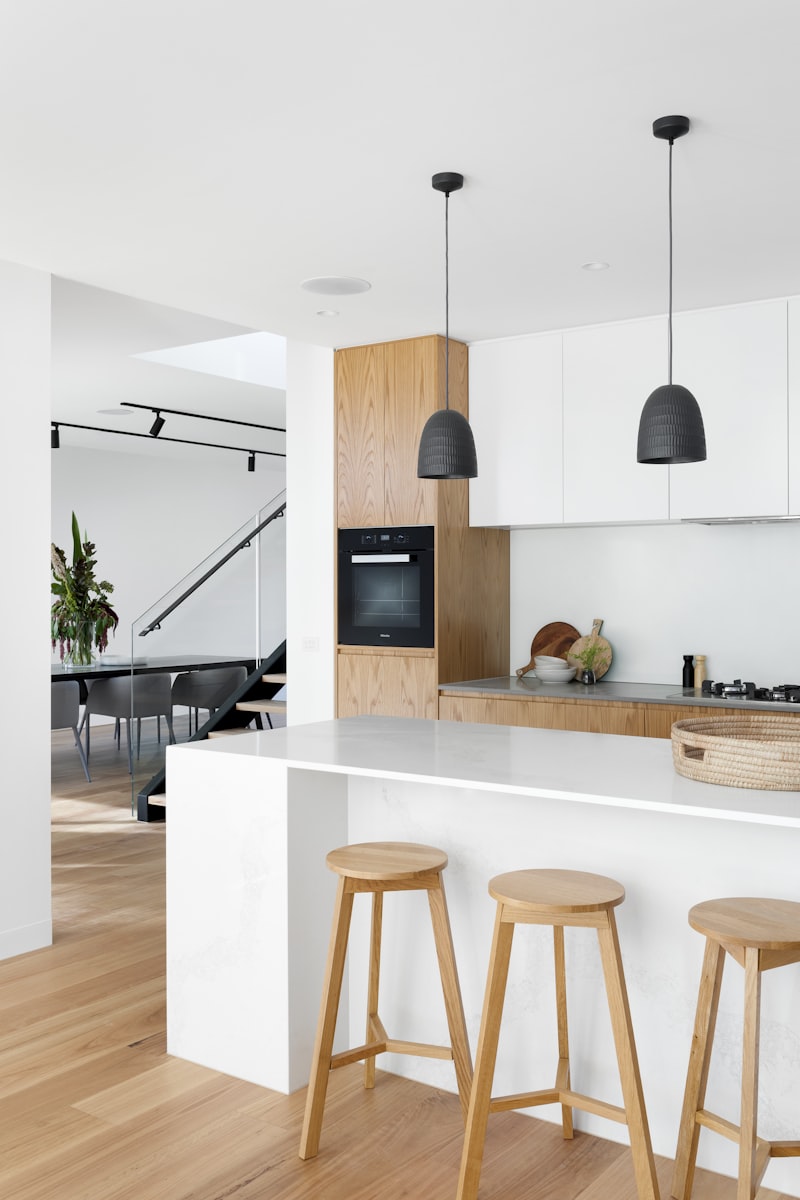
Modern elegant living room interior
02

Selling

Sell your Toronto property with bespoke marketing strategies designed to achieve maximum value.

Discover More
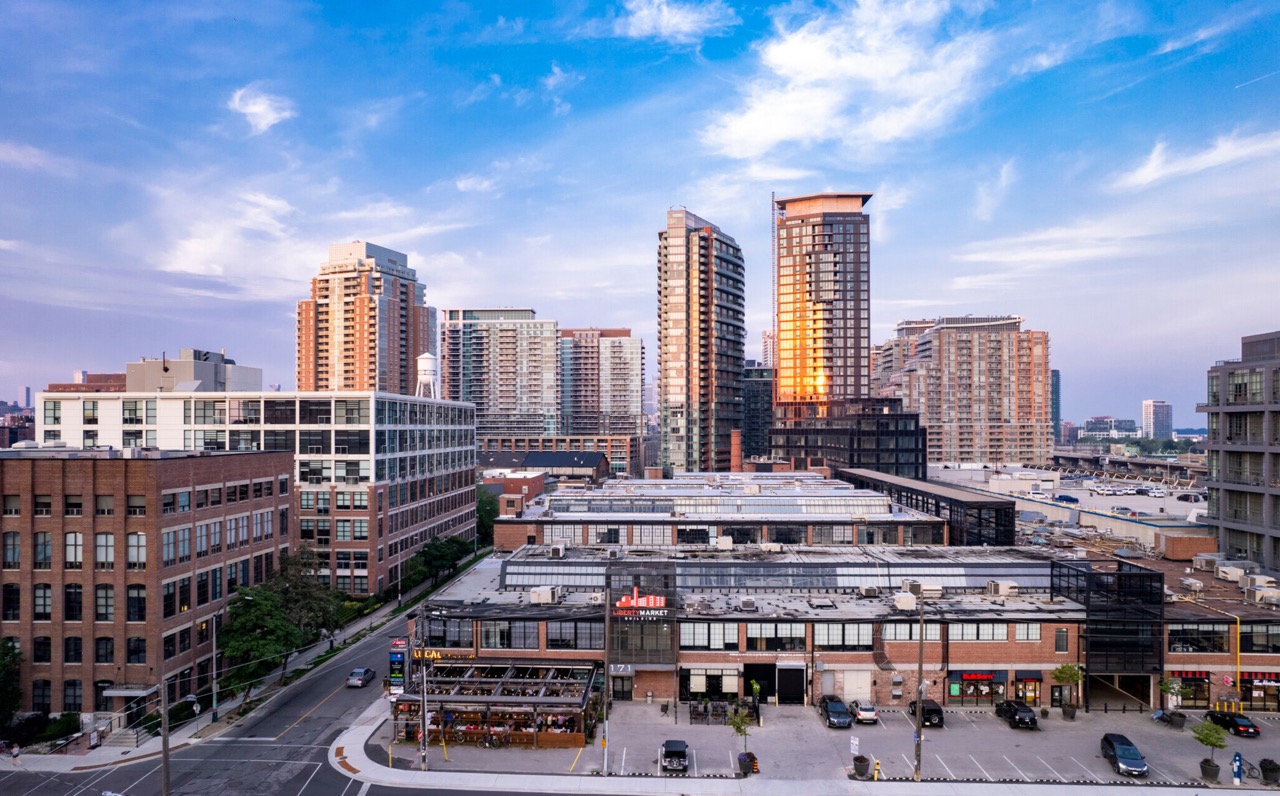
Toronto skyline and luxury high-rise buildings
03

Leasing

Helping landlords seamlessly lease residential and premium commercial spaces across the city.

Discover More
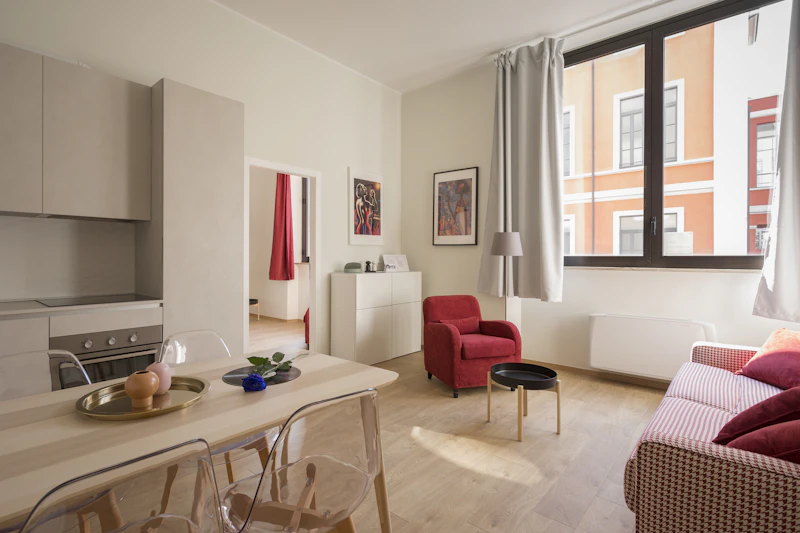
Beautifully staged modern apartment interior
04

Renting

Professional, dedicated support to help tenants secure top-tier properties across the GTA.

Discover More
Sleek empty modern condo with floor to ceiling windows
05

Assignments

Specialized expertise navigating pre-construction and assignment sales safely and profitably.

Discover More
Explore Our Other Platforms
Swipe to explore

Ready to Find Your Dream Home?

Gain a competitive edge with our hyper-local expertise across the GTA. Let our downtown Toronto real estate agents provide the real-time insights and expert guidance you need for a stress-free home buying experience.

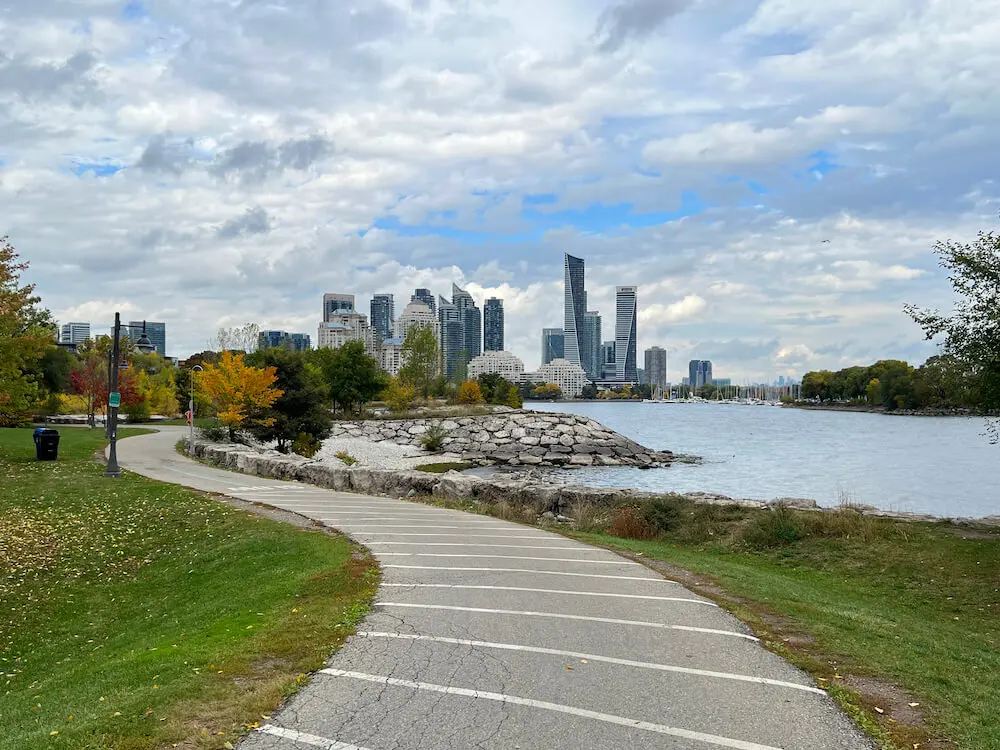
Toronto Skyline
Local Lifestyle

Experience Toronto Like a True Local

Explore →

Frequently Asked Questions (FAQ)

What areas does the RE/MAX Plus City Team serve?

While we are premier specialists in Downtown Toronto—including highly sought-after neighborhoods like Yorkville, Liberty Village, King West, and the Waterfront—our reach extends across the entire Greater Toronto Area (GTA). We actively help clients buy, sell, and lease in Mississauga, Vaughan, Oakville, Brampton, Hamilton, Richmond Hill, and beyond.

What sets the RE/MAX Plus City Team apart from other realtors?

What sets us apart is our comprehensive approach. We are more than just a real estate team — we are a unified group of professionals with diverse expertise, all dedicated to helping you. By offering a full range of services, we pair hyper-local knowledge with a vast regional reach. Successfully navigating the GTA market requires agents who genuinely understand the nuances of the area—from building-specific condo fees in the urban core to micro-market trends in suburban high-growth communities. We pride ourselves on clear communication, real-time insights, and a proven track record of top-tier results.

What real estate services do you provide?
  • Buying & Selling: Expert guidance for residential and premium commercial properties, complete with bespoke marketing strategies to maximize your property's value.
  • Leasing & Renting: Seamless services for both landlords and tenants, including property marketing, tenant screening, and securing top-tier units.
  • Specialized Services: We have dedicated expertise in Property Management, Home Staging, Power of Sale, and safely navigating Pre-Construction and Assignment Sales.
What do past clients say about working with the RE/MAX Plus City Team?

We are incredibly proud to have earned over 600 5-star Google reviews from our satisfied clients! Our track record reflects our team's commitment to clinical efficiency, deep market knowledge, and providing a stress-free experience for buyers, sellers, landlords, and tenants alike.

I am a landlord. How can you help me rent out my property?

With over 500 units leased in 2025, we are trusted leaders in GTA rental services. Our focus is entirely on protecting your investment. We prioritize long-term results and securing high-quality, reliable tenants, rather than just rushing to fill the unit. From strict tenant screening to asset protection, we ensure your investment is thoroughly looked after.

Where is your office located, and how can I get in touch?

Our main office is conveniently located right in the downtown core at 14B Harbour St, Toronto, ON, M5J 2Y4.

Do you offer access to Power of Sale properties?

Yes! We provide our clients with an exclusive resource to access and navigate Power of Sale listings. Purchasing a Power of Sale property can be a highly lucrative opportunity but involves a complex legal process. Our specialized team has the expertise to help you identify these unique properties and guide you safely through the transaction.

Do you offer tools on your website to help estimate my real estate costs?

We offer a suite of free online financial calculators directly on our website to help you plan your budget with confidence. You can use our Mortgage Calculator, CMHC Mortgage Insurance Calculator, and Land Transfer Tax Calculator to accurately anticipate your monthly payments and closing costs.

Do you offer home evaluations if I am thinking about selling?

Yes, we do! We provide a comprehensive and completely Free Home Evaluation to help you determine exactly what your property is worth in today's market. Whether you are actively looking to list or simply exploring your options for the future, our team will provide expert, data-driven insights to help you make an informed decision.

RSS

How to Prepare Before Stepping Into an Open House

Walking into an open house can be overwhelming—especially with thousands of details racing through your mind. Should you ask about roof age? Is the staging hiding issues? Don’t worry—we’ve collected the most down-to-earth, tried-and-tested strategies to help you walk in with confidence and walk out with clarity.

1. Pack the Right Essentials

Bring the tools that help you make informed decisions, not just take pretty pictures.

  • Tape measure to check room dimensions and furniture fit.

  • Flashlight to spot water stains, mold, or hidden issues in basements and closets.

  • Notepad, camera/phone (with permission) to record observations and impressions.

2. Look Beyond the Staging

Beautiful decor can mesmerize—but don’t let it blind you to the essential:

  • Open every door, look behind drapes, and peek inside the pantry, basement, and closets.

  • Note any odd-sounding floors, drafts, or signs of water exposure. These are red flags, not design flaws.

3. Ask Smart, Stay Reserved

An open house is your chance to gather intel—without giving away your game.

  • Ask about the home’s age, inspection reports, past problems or repairs, and reasons for selling.

  • But don’t mention your budget or strong liking—it’s strategic to stay neutral.

4. Respect the Space & People

Behavior speaks loud—even when you’re just visiting.

  • Be polite: sign in if needed, wait your turn, and stay respectful of the seller’s home.

  • Always ask before snapping photos or filming.

  • Keep feedback non-judgmental—save opinions for later.


5. Explore the Neighborhood—Snap or No Snap

The address matters as much as the house.

  • Take a walk or drive the area to gauge traffic, nearby amenities, and layout.

  • Pay attention to fellow attendees—high turnout might mean competition, fewer visitors could give you an upper hand.

Final Summary

Before you step into an open house, come prepared with tools and questions, look past the staging, engage thoughtfully, and observe the surroundings. This isn't just about falling for the right home—it’s about making an informed choice that fits your future.

Frequently Asked Questions

Q: What should I bring to an open house?
Bring essentials like a tape measure, flashlight, notepad, and camera—and always ask the agent before taking photos.

Q: How do I identify red flags during an open house?
Listen for creaks, test windows and faucets, and scan for water stains or mold—well before entering the home.

Q: Is it okay to ask lots of questions at an open house?
Yes! Smart questions about inspections, repairs, and home history show diligence—but avoid revealing your budget or emotional attachment.

Q: Can I attend open houses just to look, even if I'm not buying?
Absolutely. Most agents expect curious visitors. Just be respectful and honest if asked.

Q: Should I take notes or photos, and how?
Use a notepad to jot down observations. If you'd like photos or video, always ask for permission first—respect is key.



Read

Why Condo Assignments Are Gaining Popularity with Buyers

In today’s competitive real estate landscape, condo assignments are becoming increasingly appealing—especially in hot markets like Toronto. While the concept may seem niche, it offers unique advantages for savvy buyers. Below, we explore why this trend is growing—and how you can navigate it wisely.

1. Faster Access and Lower Competition

  • Skip the queue – Assignment sales let you step into a pre-construction contract, giving you access to units that are often sold out by the builder.

  • Buy without the crowd – Since these listings are rarely advertised on MLS, fewer buyers see them. That lower visibility can help you avoid fierce bidding wars.

2. Built-In Equity and Incentives

  • Get ahead on value – If the market has appreciated since the original contract, you may inherit instant equity when you assign into the deal.

  • Perks come with it – Some assignments include extended builder incentives, like Tarion warranties or capped development charges.

3. An Exit for Sellers, an Entry for Buyers

  • Seller escape hatch – Assignments offer a flexible exit without holding nervously for years. Sellers avoid occupancy fees, lengthy closing costs, and market risks.

  • Buyer opportunity – For buyers, it’s a shortcut to homeownership in a pre-construction market that's often locked down.

4. But Be Aware: Risks Don’t Disappear

  • No contract negotiation – You inherit the original terms as-is—any restrictions or fees are locked in.

  • Builder approval required – Assignments often need the builder’s consent—and a fee, which can be substantial.

  • Complex and costly – Responsibilities like interim occupancy fees, development levies, and legal fees may fall on your shoulders.

  • Tax implications loom large – Profits from assignments can be taxed at business rates, and HST may apply on top of that.


Final Summary

Condo assignments offer a creative path into the market—fast access, rare inventory, and possible equity gains. But success hinges on understanding the legal complexities, financial obligations, and market timing. With the right team (realtor, lawyer, accountant) by your side, an assignment can be a savvy move—but only if done with care.

Frequently Asked Questions

What is the risk of buying an assignment?
High. Buyers inherit all terms of the original contract—including potential hidden fees. Builders may deny assignments or impose hefty approval fees, and legal/tax obligations are complex.

Is it a good idea to buy a condo in Toronto now?
It depends. Toronto’s condo market is facing significant oversupply and price drops—making it a buyers’ market in many areas. If your financing is solid and you’re patient, it may be a strategic time to enter.

How does an assignment sale work in Ontario?
It transfers the original buyer’s purchase agreement to a new buyer, who steps into all rights and obligations of the contract. Builder approval is typically required, and fees or restrictions may apply.

Are condo prices dropping in Toronto?
Yes—GTA condo prices have fallen 5–10% year-over-year; July’s average reached a four-year low of around C$651,000, and inventory remains excessive.

Why are Toronto condos not selling?
The market is oversupplied, driven by investor exits and strata-inflated supply. High interest rates, soft rental demand, and buyer fatigue have all reduced urgency, resulting in longer listing times and price cuts.


Read

The Complete 2025 Guide to Buying in Toronto

Buying a home in Toronto can feel like both your greatest dream and your toughest challenge. Sky-high prices, complicated rules, multiple costs, and stiff competition can be intimidating. This year, though, buyers who are well-prepared and strategic can still find a way—and maybe even thrive. Let’s make sense of the process, step by step.

1. Understand Your Financial Landscape

  • Toronto’s average home price hovers around C$1.06 million, meaning you’d need an annual household income of about C$232,000 to qualify comfortably.

  • Another estimate puts the needed household income at C$215,488—assuming a 20% down payment and reasonable mortgage terms. So yes—Toronto demands serious financial firepower or creative strategy.

2. Master the Down Payment Rules

  • The minimum down payment depends on home price:

    • ≤ C$500,000: 5%

    • C$500K–1.5M: 5% on the first C$500K + 10% on the remainder

    • > C$1.5M: 20%

  • These minimums trigger mortgage default insurance if under 20%, adding additional cost.

3. Navigate Eligibility & First-Time Buyer Benefits

  • The Home Buyer’s Plan lets first-timers withdraw up to C$60K from your RRSP (C$120K for couples), to be repaid over 15 years.

  • The First-Time Home Buyer Incentive (FTHBI) may cover up to 5% for resale and 10% for new builds—but comes with income caps (~C$120K gross) and shared equity terms.

  • Additionally, Ontario may offer Land Transfer Tax rebates for first-time buyers.

4. Get Strategically Pre-Approved

  • A mortgage pre-approval anchors your budget, tells agents—or sellers—you’re serious, and frames your search realistically.

  • Use affordability calculators (from TD, Ratehub, etc.) to understand what you can afford—good debt-to-income scoring keeps GDS under ~35%.

5. Budget for More Than the Down Payment

  • Don’t forget closing costs—legal fees, land transfer taxes, title insurance, appraisals, and more can add 2–5% of purchase price.

  • Each of these adds up fast—plan ahead so you're not caught off guard.

6. Leverage Professional Help

  • A real estate agent with first-time buyer experience can smooth out the emotional turbulence and strategic decisions.

  • A mortgage broker may help you shop rates, especially with the new higher insured mortgage cap (up to C$1.5M) and 30-year amortizations now available.

Final Summary

Buying in Toronto in 2025 isn’t for the faint of heart—but neither is anything worth doing. If you’re thoughtful, financially organized, and proactive, you can still unlock homeownership. Know what you need to earn, satisfy the down payment rules, use first-time benefits, get pre-approved, budget smart, and lean on trusted professionals.

Frequently Asked Questions

Q: How much money do you need to make to buy a house in Toronto?
On average, a household income of around C$215,000–C$232,000 is required to afford Toronto real estate comfortably.

Q: What is the minimum down payment for a house in Toronto?

  • Up to C$500K: 5%

  • Between C$500K and C$1.5M: 5% on first C$500K + 10% on remainder

  • Above C$1.5M: 20%

Q: How much income do you need to buy a C$400,000 house in Canada?
Using affordability rules (~30% of income for mortgage), you'd need to make around C$96,000–C$100,000 annually to finance a C$400K home.

Q: How to buy a house for the first time in Ontario?

  1. Check eligibility (must be a Canadian/Permanent Resident, no prior ownership in past 4 years, etc.)

  2. Get pre-approved

  3. Save for down payment and closing costs

  4. Explore first-time incentives (HBTC, FTHBI, LTT rebate)

  5. Make an educated offer—with home inspection included.

Q: What is the 4-year rule for first-time home buyers?
To qualify as a first-time home buyer, neither you nor your spouse/common-law partner can have owned a home anywhere in the world in the past four years.


Read
This website may only be used by consumers that have a bona fide interest in the purchase, sale, or lease of real estate of the type being offered via the website. The data relating to real estate on this website comes in part from the MLS® Reciprocity program of the PropTx MLS®. The data is deemed reliable but is not guaranteed to be accurate.