

Service Areas

Toronto Downtown & GTA Real Estate Experts

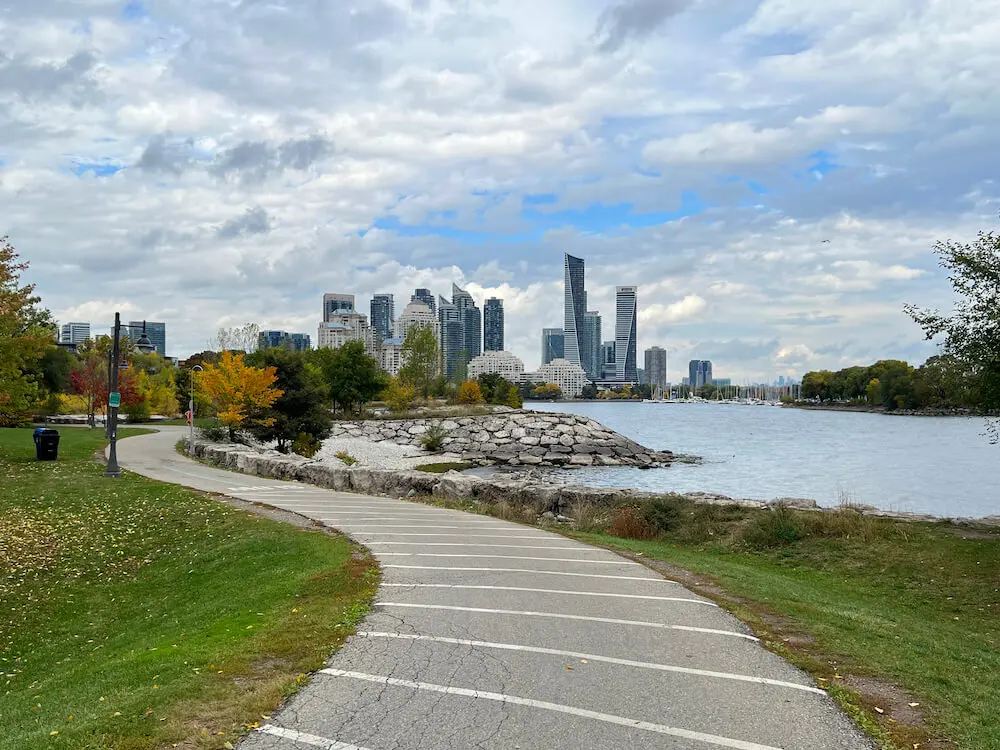
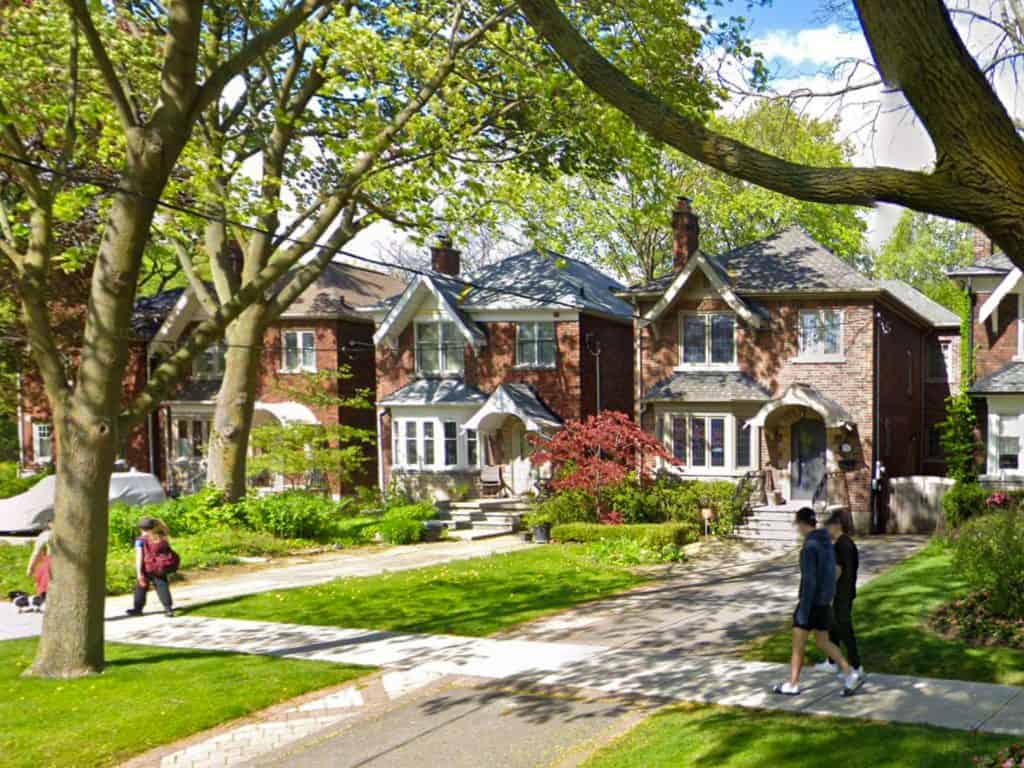
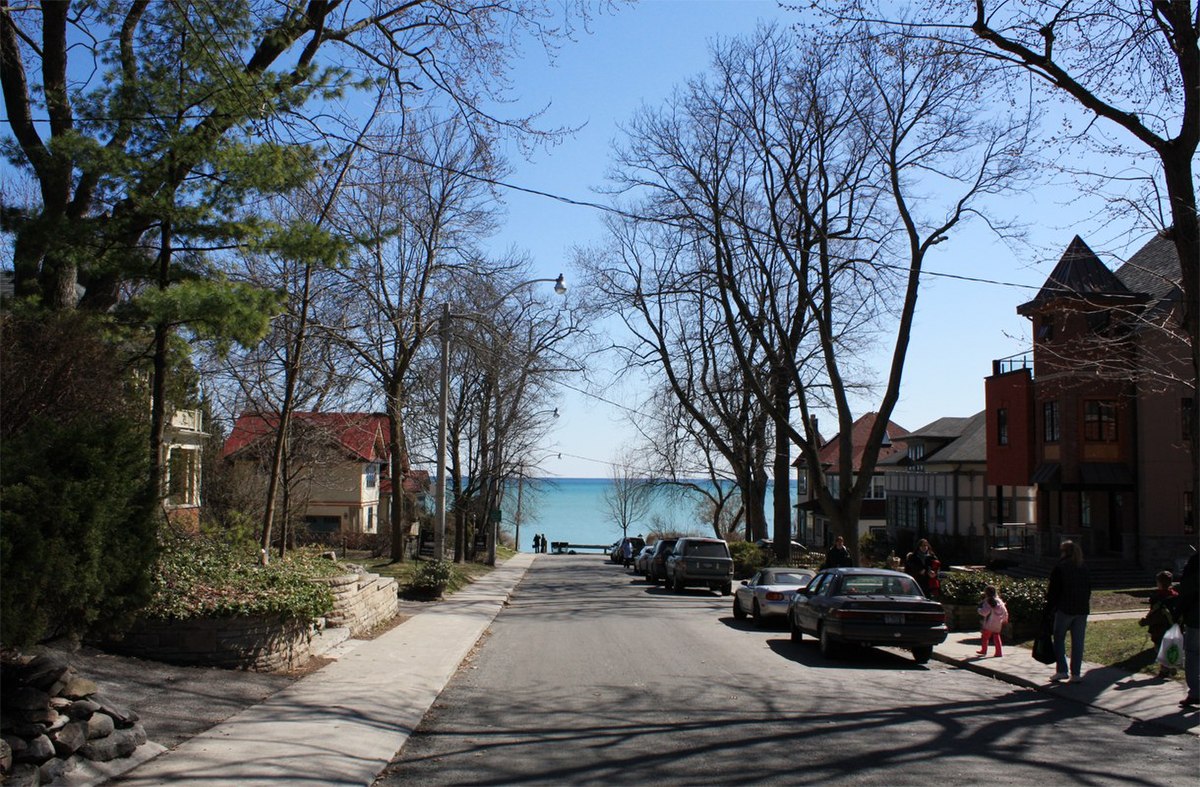
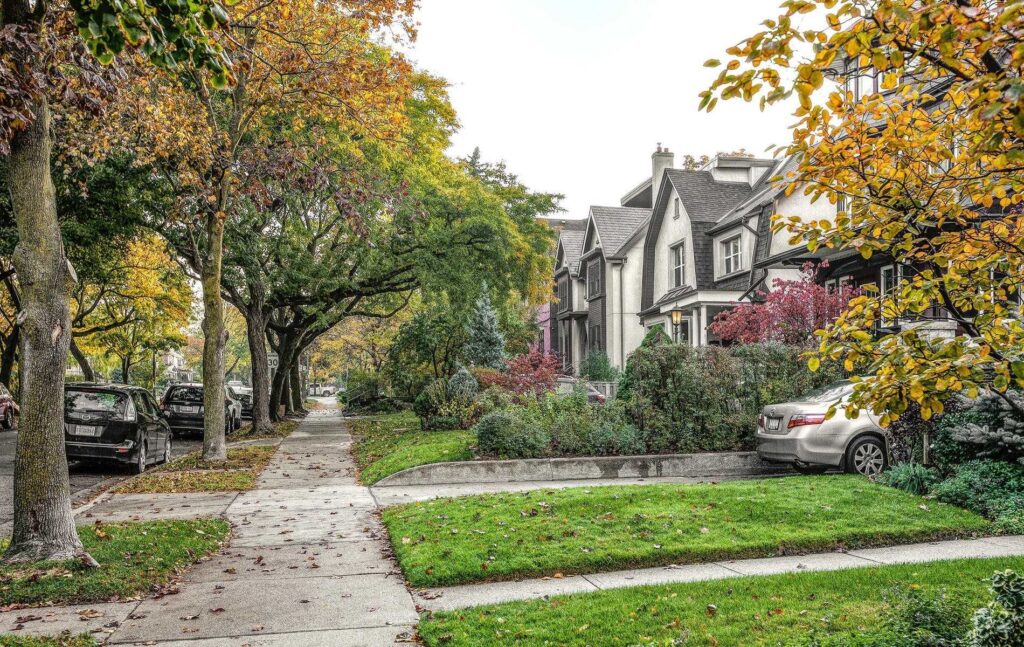
Based at 14B Harbour St, the RE/MAX Plus City team are your premier Toronto Downtown specialists with a reach that extends across the entire GTA. Whether you are searching for a luxury Waterfront condo, a King West loft, or a detached family home in Mississauga, Vaughan, or Oakville, our hyper-local expertise across the Greater Toronto Area provides a definitive competitive edge. Successfully navigating the urban core and suburban markets requires Downtown Toronto agents who understand building-specific fees and regional micro-market trends. From the high-end luxury of Yorkville to the high-growth communities in Richmond Hill and Liberty Village, we deliver real-time insights and proven results for buyers and sellers throughout Toronto and the GTA.

Toronto Real Estate Listings & GTA Homes for Sale

Expertise & Excellence

Full Service Real Estate Solutions

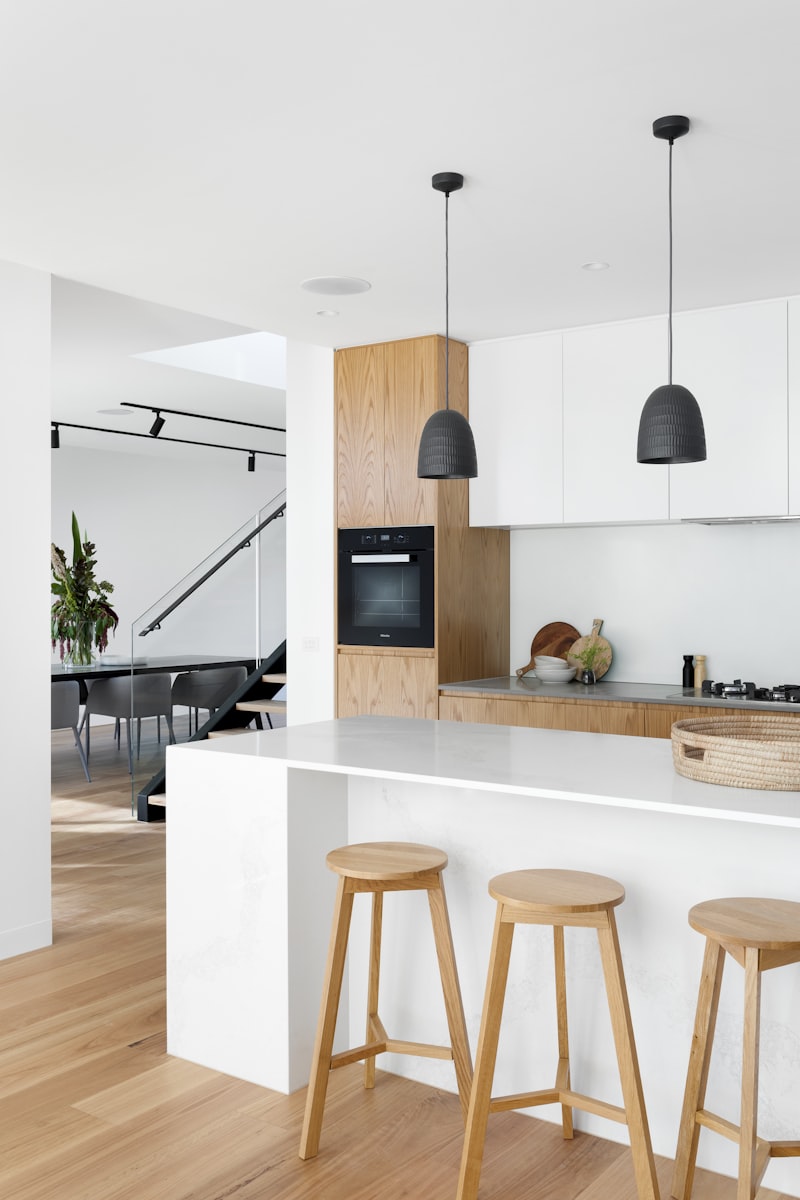
Luxury residential home exterior
01

Buying

Expert guidance to help you acquire premium real estate across Toronto and the Greater Toronto Area.

Discover More
Modern elegant living room interior
02

Selling

Sell your Toronto property with bespoke marketing strategies designed to achieve maximum value.

Discover More
Toronto skyline and luxury high-rise buildings
03

Leasing

Helping landlords seamlessly lease residential and premium commercial spaces across the city.

Discover More
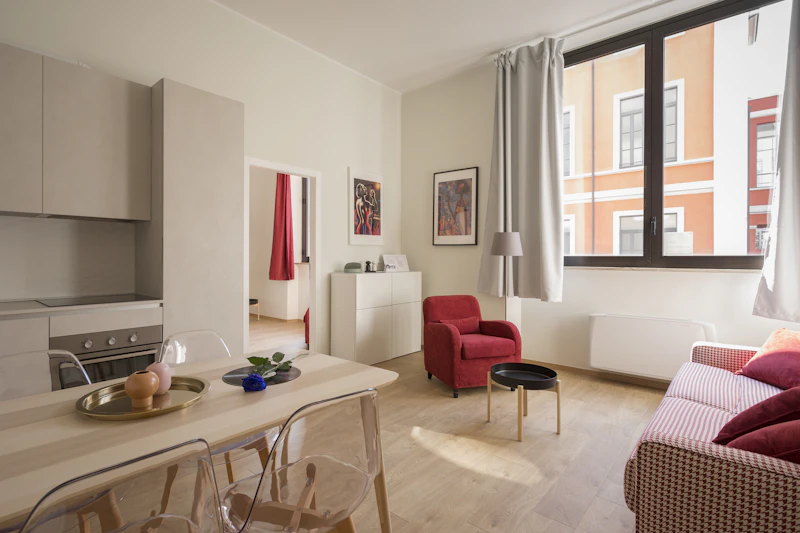
Beautifully staged modern apartment interior
04

Renting

Professional, dedicated support to help tenants secure top-tier properties across the GTA.

Discover More
Sleek empty modern condo with floor to ceiling windows
05

Assignments

Specialized expertise navigating pre-construction and assignment sales safely and profitably.

Discover More

Ready to Find Your Dream Home?

Gain a competitive edge with our hyper-local expertise across the GTA. Let our downtown Toronto real estate agents provide the real-time insights and expert guidance you need for a stress-free home buying experience.

Beautiful view of the Toronto skyline and CN Tower
Local Lifestyle

Experience Toronto Like a True Local

From world-class sports venues to vibrant neighborhood street festivals, the city is always buzzing. Discover our curated guide to the events and communities that make Toronto thrive year-round.

  • Major Arenas & Sports
  • Summer Street Festivals
  • Winter Holiday Markets
  • Iconic Neighbourhoods
Explore the Guide
Next Chapter

Thinking About a New Beginning?

Take the first step toward your fresh start. Whether you're buying, selling, or exploring your options, we're here to guide you every step of the way.

Frequently Asked Questions (FAQ)

What areas does the RE/MAX Plus City Team serve?

While we are premier specialists in Downtown Toronto—including highly sought-after neighborhoods like Yorkville, Liberty Village, King West, and the Waterfront—our reach extends across the entire Greater Toronto Area (GTA). We actively help clients buy, sell, and lease in Mississauga, Vaughan, Oakville, Brampton, Hamilton, Richmond Hill, and beyond.

What sets the RE/MAX Plus City Team apart from other realtors?

What sets us apart is our comprehensive approach. We are more than just a real estate team — we are a unified group of professionals with diverse expertise, all dedicated to helping you. By offering a full range of services, we pair hyper-local knowledge with a vast regional reach. Successfully navigating the GTA market requires agents who genuinely understand the nuances of the area—from building-specific condo fees in the urban core to micro-market trends in suburban high-growth communities. We pride ourselves on clear communication, real-time insights, and a proven track record of top-tier results.

What real estate services do you provide?
  • Buying & Selling: Expert guidance for residential and premium commercial properties, complete with bespoke marketing strategies to maximize your property's value.
  • Leasing & Renting: Seamless services for both landlords and tenants, including property marketing, tenant screening, and securing top-tier units.
  • Specialized Services: We have dedicated expertise in Property Management, Home Staging, Power of Sale, and safely navigating Pre-Construction and Assignment Sales.
What do past clients say about working with the RE/MAX Plus City Team?

We are incredibly proud to have earned over 600 5-star Google reviews from our satisfied clients! Our track record reflects our team's commitment to clinical efficiency, deep market knowledge, and providing a stress-free experience for buyers, sellers, landlords, and tenants alike.

I am a landlord. How can you help me rent out my property?

With over 500 units leased in 2025, we are trusted leaders in GTA rental services. Our focus is entirely on protecting your investment. We prioritize long-term results and securing high-quality, reliable tenants, rather than just rushing to fill the unit. From strict tenant screening to asset protection, we ensure your investment is thoroughly looked after.

Where is your office located, and how can I get in touch?

Our main office is conveniently located right in the downtown core at 14B Harbour St, Toronto, ON, M5J 2Y4.

Do you offer access to Power of Sale properties?

Yes! We provide our clients with an exclusive resource to access and navigate Power of Sale listings. Purchasing a Power of Sale property can be a highly lucrative opportunity but involves a complex legal process. Our specialized team has the expertise to help you identify these unique properties and guide you safely through the transaction.

Do you offer tools on your website to help estimate my real estate costs?

We offer a suite of free online financial calculators directly on our website to help you plan your budget with confidence. You can use our Mortgage Calculator, CMHC Mortgage Insurance Calculator, and Land Transfer Tax Calculator to accurately anticipate your monthly payments and closing costs.

Do you offer home evaluations if I am thinking about selling?

Yes, we do! We provide a comprehensive and completely Free Home Evaluation to help you determine exactly what your property is worth in today's market. Whether you are actively looking to list or simply exploring your options for the future, our team will provide expert, data-driven insights to help you make an informed decision.

RSS

How to Decide if Now Is the Right Time to Buy a Home

The question isn’t just can you buy a home, it’s should you buy a home now? With the keyword when to buy a home in mind, this guide walks you through key factors: market conditions, personal readiness, timing strategies and practical checks. By the end you’ll know more clearly whether now is the right moment for you.


1. Market Conditions to Watch

  • In Canada, home prices are showing moderate rebound signs: for example, the national average price rose to around C$676,154 in September 2025, up 1.8% month-over-month.

  • The broader market outlook predicts a slowdown in housing starts (especially condos), which can affect supply and therefore timing. 

  • Seasonality matters: spring tends to be busy (more competition, fewer deals), while fall/winter often offer better negotiating power.

So ask yourself:

  • Are housing prices rising, stable or falling in your target area?

  • Are interest rates favourable or likely to improve?

  • Is inventory growing (giving you more choice) or shrinking (making you act fast)?


2. Your Financial Readiness

Even the best market won’t matter if you’re not ready personally. Key items:

  • Mortgage pre-approval: Know how much you can borrow and what your monthly payments will look like.

  • Down payment: Do you have enough savings (plus emergency fund) to handle the purchase and move?

  • Ongoing costs: Remember, owning = mortgage + taxes + maintenance + insurance.

  • Debt and credit: High debt or weak credit mean higher risk and higher cost.

If you can’t confidently tick these boxes yet, it may be better to wait — even if the market looks appealing.


3. Lifestyle & Timing: Why Now Might (or Might Not) Be the Right Time

  • Are you staying in the area for at least 5–10 years? If you plan to relocate soon, renting may be wiser.

  • Does buying align with your career, family, or lifestyle goals (e.g., kids, commute, neighbourhood)?

  • Could waiting give you better negotiating power (e.g., when fewer buyers are active)?

  • Are you comfortable with the uncertainty of market shifts and interest-rate changes?

If your personal timeline and the market align, then “now” could be right. If one side is off, you might delay.


4. Strategic Timing Tips

  • Target higher inventory periods (when supply is strong): more choice can mean better deals.

  • Avoid the peak-competition seasons if you want less stress and lower bidding wars.

  • Watch interest rate forecasts and mortgage rule changes — lower rates mean more buying power.

  • Make sure you’re ready to act: when you see a home that fits, you should already have financing and team in place.


5. When to Consider Waiting

  • If you can’t comfortably afford the home plus ongoing costs.

  • If interest rates are high and likely to drop.

  • If housing in your desired area is over-valued relative to income and local fundamentals.

  • If you have uncertain life circumstances (job, family, location) making 5-year ownership risky.


Conclusion

Deciding when to buy a home isn’t about catching the perfect market moment—it’s about aligning the market conditions and your personal readiness. If both line up, now may be the right time. If one side is lacking, waiting can save you stress and cost. Use this guide to assess both sides and make a decision you’ll feel confident about.


FAQs

Q: How do I know if I’m financially ready to buy now?
Look at your down payment, mortgage pre-approval, ongoing cost budget and emergency savings. If any of these are weak, consider delaying.

Q: Can I wait for interest rates to drop before buying?
Yes, but timing markets is risky. Instead plan for interest-rate variability and make sure you’re still comfortable if rates stay high.

Q: Does seasonality matter in Canadian housing markets?
Yes. Spring has high competition; fall/winter may offer more inventory and better negotiating strength.

Q: If market conditions are strong but I’m not ready, should I still buy?
No. Being unprepared financially or personally increases risk. Market timing alone doesn’t guarantee a smooth purchase.

Q: What period should I plan to stay in a home if I’m buying now?
Aim for a 5–10 year horizon. It gives time to absorb costs, benefit from appreciation and avoid selling in a down market.

Read

First Time Home Buyer Guide: Steps to Find and Buy Your Dream Home

Buying your first home is exciting—but it’s also one of the biggest financial decisions you’ll ever make. To make the process smooth and successful, you’ll need a clear road-map. This guide outlines the key steps in the journey for first time home buyer guide scenarios in Canada: from preparation and budgeting to home search, making an offer and closing the deal.


1. Determine If You’re Ready & Define Your Goals

  • Review your current finances: income, debt, savings.

  • Ask: Why do you want to buy? How long do you plan to live there?

  • Decide location and type of home (condo, townhouse, detached) that fits your lifestyle and budget.

  • Set a realistic budget and down payment target. Minimum down payment in Canada often starts at 5 %. 


2. Secure Your Financing: Pre-approval & Budgeting

  • Get a mortgage pre-approval so you know how much you can borrow and you’re viewed as a serious buyer.

  • Calculate not just the price of the home, but full cost of ownership: taxes, insurance, maintenance, utilities. 

  • Explore first-time buyer incentives: tax credits, land transfer tax rebates, etc.


3. Hire Your Real Estate Team & Begin the Search

  • Choose a realtor who knows the region (e.g., your target neighbourhood) and the type of home you want.

  • Make a checklist of your must-haves (bedrooms, amenities, commute time) and deal-breakers.

  • Start touring homes within your price range; compare what you see to what your budget allows.

  • Monitor the market: trends, inventory, and how they affect pricing.


4. Make an Offer & Negotiate

  • When you find the right home, work with your realtor to craft an offer.

  • Ensure conditions (home inspection, financing) are included to protect you.

  • Understand any bid competition, and set your maximum purchase price ahead of time.

  • After acceptance, be ready to proceed: lawyer, deposit, due diligence.


5. Closing the Deal

  • Hire a real estate lawyer to handle title search, registration and legal documents.

  • Be prepared for closing costs beyond the purchase price: land transfer tax, legal fees, adjustment items.

  • Get insurance in place, utilities transferred, and plan your move ahead of key dates.

  • After closing, review your budget for ongoing costs and get comfortable in your new home.


6. Tips for First Time Home Buyers

  • Start saving early and be disciplined.

  • Keep debt levels low and maintain good credit.

  • Don’t let the purchase stretch your entire budget—leave room for unexpected costs.

  • Ask questions: about neighbourhoods, future development, resale potential.

  • Use your team (realtor, mortgage broker, lawyer) and lean on their expertise.


Conclusion

So many first-time homebuyers assume the journey is just “pick a house, buy it.” In reality, those who succeed are the ones who prepare, understand their budget, secure financing, choose the right home for their lifestyle, and approach the process methodically. Use this guide as your map — you’re not just buying a property, you’re launching into new ownership.


FAQs

Q: How much down payment do I need as a first-time buyer in Canada?
In many cases the minimum down payment is 5% of the purchase price for homes up to a certain value; larger down payments might help you avoid extra mortgage insurance.

Q: What are some incentives for first time home buyers in Ontario?
There are tax credits, land transfer tax rebates and special savings accounts (such as FHSAs) designed for first-time buyers in Ontario.

Q: Is getting a mortgage pre-approval really important?
Yes. It gives you clarity on your affordability and strengthens your offer in a competitive market.

Q: What ongoing costs should I budget for after buying my first home?
Beyond your mortgage, you’ll need to budget for property taxes, insurance, utilities, maintenance and possible repairs. 

Q: How do I choose the right home for a first purchase?
Weigh your lifestyle (commute, size, amenities), future needs, resale potential, and budget — and avoid making decisions based purely on emotion.

Read

🏠 Understanding Property Taxes: A Guide for Home Buyers

Buying a home is a major commitment—and one of the costs too many buyers overlook is property tax. Understanding how property taxes work in Ontario is essential so you can budget properly, avoid surprises, and make smarter decisions. In this post you’ll learn what property tax is, how it’s calculated, what drives changes, and what smart home buyers should check before closing.


1. What Are Property Taxes & Why Do They Matter?

Property taxes are annual levies charged by your municipality (and education portion by the province) based on your property’s assessed value. The money goes toward essential services—schools, fire and police protection, roads, libraries and more.

For home buyers, property tax matters because:

  • It becomes part of your recurring cost of ownership.

  • It affects your total housing cost (mortgage + tax + maintenance).

  • It varies significantly by location and assessed value, so two homes with the same purchase price may have very different tax bills.


2. How Property Taxes Are Calculated in Ontario

Here’s a simplified breakdown of the calculation process in Ontario:

  • First, your property is assessed by the Municipal Property Assessment Corporation (MPAC). The assessed (Current Value Assessment) value reflects what the property would reasonably sell for as of a legislated date. 

  • Then the municipality and province apply tax rates (municipal tax rate + education tax rate) to your assessed value to arrive at the tax bill. 

  • For example, if your assessed value is C$500,000 and the combined tax rate is 1.75 %, then your annual property tax would be approx C$8,750.

Important details:

  • Property tax is not simply a percentage of the purchase price—it’s based on assessed value. 

  • Municipalities set their budget and then derive tax-rates accordingly—not solely based on individual hikes in property value. 


3. What Buyers Should Look Out For Before Closing

When you’re evaluating a prospective home, pay attention to these property-tax-related items:

  • Ask the current annual property tax amount shown on the listing or ask the seller/agent.

  • Factor the tax into your carrying cost: add tax + maintenance + insurance + utilities.

  • Check assessed value vs. market value: If the assessment is outdated and market value has jumped, expect future adjustments.

  • Understand the tax rate in the municipality: Some suburbs or municipalities have higher tax rates than others. 

  • Check for upcoming reassessment or phased-in increases: Assessment increases don’t always translate to tax increases, but changes in assessment may lead to taxes going up.


4. Common Misunderstandings & How to Avoid Them

  • “My property tax will stay the same because I just bought at this price” → Not guaranteed. If your assessment increases more than the average or tax rates increase, you could face higher tax.

  • “Tax equals purchase price” → No. It’s tied to assessed value, which may or may not match purchase price.

  • “Only new builds have tax issues” → All homes eventually face reassessment and tax rate changes, so even resale homes need scrutiny.

  • “Tax relief will offset everything” → While there are programs for seniors or low-income homeowners, as a buyer you still must budget full tax unless you qualify for specific rebates. 


5. Smart Strategies for Home Buyers

  • Build tax into your monthly budget: Don’t focus only on mortgage payments—set aside for tax.

  • Choose an area with favourable tax rate vs. value ratio: Sometimes paying slightly more for a lower-tax-rate municipality can make sense long-term.

  • Monitor the assessment: When you get your assessment notice, compare similar properties and consider appeal if it seems unfair.

  • Ask about future development and assessment changes: Upcoming local developments can drive up values (and taxes) over time.

  • Use a tax calculator for your municipality: Many municipalities or third-party sites provide tax calculators to estimate tax based on assessed value.


Conclusion

Understanding property taxes is a key part of being a savvy home buyer. It’s not just about paying the mortgage—it’s about managing every cost associated with ownership. By knowing how assessed values and tax rates work, and by factoring taxes into your budget, you’ll be better positioned to choose a home that fits both your lifestyle and financial goals.


❓ FAQs: Understanding Property Taxes

Q1. Are property taxes based on the purchase price of the home?
No — property taxes in Ontario are based on the assessed value as determined by MPAC, not the purchase price.

Q2. Why did my property tax go up even though my assessment didn’t change much?
Because tax rates may have increased and/or your assessed value may have increased more than the average in your property class, triggering higher taxes.

Q3. Can I appeal my property assessment if I think it’s too high?
Yes — you can file a Request for Reconsideration (RfR) with MPAC and, if still dissatisfied, appeal to the Assessment Review Board.

Q4. Does a higher property tax rate mean a worse area?
Not necessarily. It depends on municipal services, infrastructure and relative value. A higher tax rate may accompany lower purchase price or higher service quality. Always compare total cost of ownership.

Q5. Can property taxes change after I buy the home?
Yes — both the assessed value and municipal tax rates may change annually or upon reassessment cycles, affecting your tax bill.

Read
This website may only be used by consumers that have a bona fide interest in the purchase, sale, or lease of real estate of the type being offered via the website. The data relating to real estate on this website comes in part from the MLS® Reciprocity program of the PropTx MLS®. The data is deemed reliable but is not guaranteed to be accurate.