
Service Areas

Toronto Downtown & GTA Real Estate Experts

Based at 14B Harbour St, the RE/MAX Plus City team are your premier Toronto Downtown specialists with a reach that extends across the entire GTA. Whether you are searching for a luxury Waterfront condo, a King West loft, or a detached family home in Mississauga, Vaughan, or Oakville, our hyper-local expertise across the Greater Toronto Area provides a definitive competitive edge. Successfully navigating the urban core and suburban markets requires Downtown Toronto agents who understand building-specific fees and regional micro-market trends. From the high-end luxury of Yorkville to the high-growth communities in Richmond Hill and Liberty Village, we deliver real-time insights and proven results for buyers and sellers throughout Toronto and the GTA.

Toronto Real Estate Listings & GTA Homes for Sale

Expertise & Excellence

Full Service Real Estate Solutions

Luxury residential home exterior
01

Buying

Expert guidance to help you acquire premium real estate across Toronto and the Greater Toronto Area.

Discover More
Modern elegant living room interior
02

Selling

Sell your Toronto property with bespoke marketing strategies designed to achieve maximum value.

Discover More
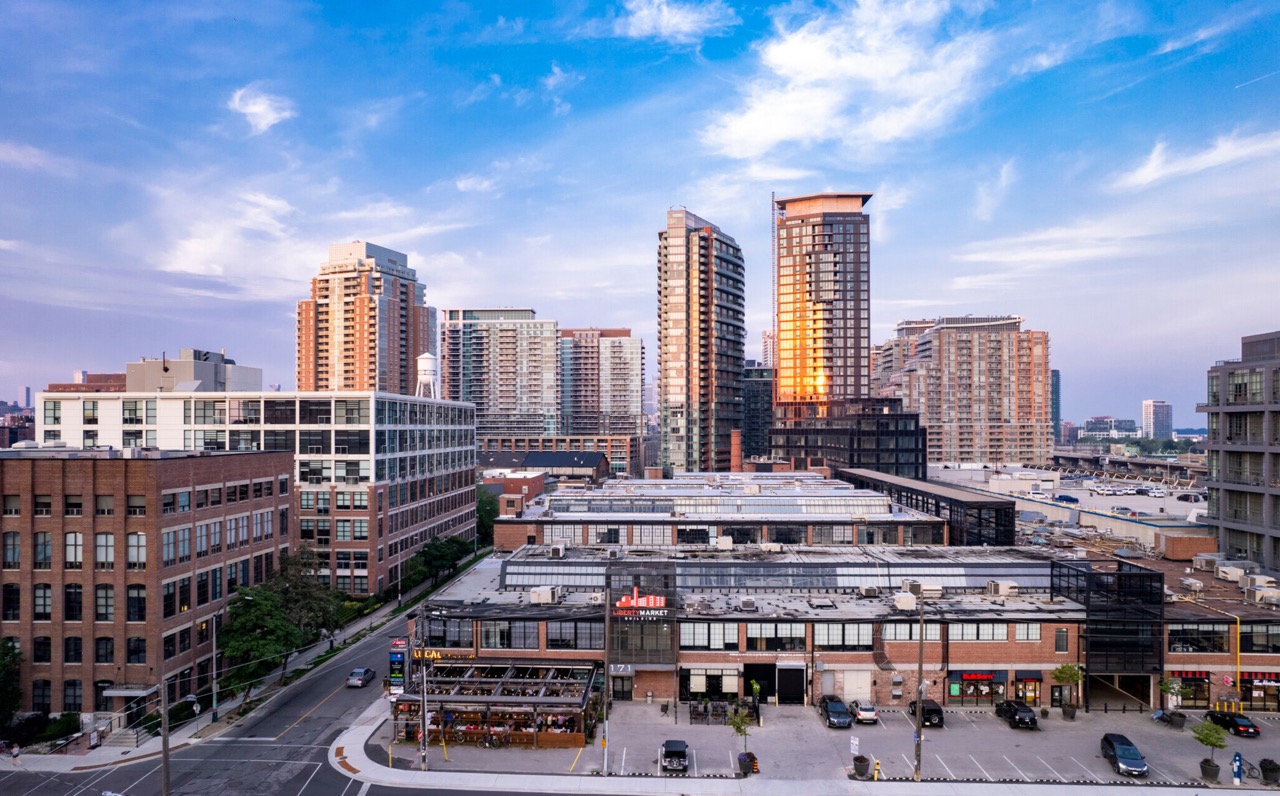
Toronto skyline and luxury high-rise buildings
03

Leasing

Helping landlords seamlessly lease residential and premium commercial spaces across the city.

Discover More
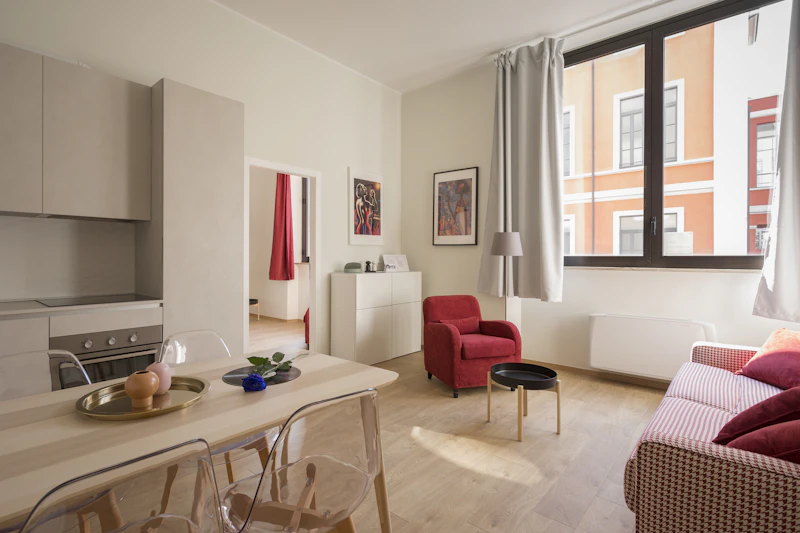
Beautifully staged modern apartment interior
04

Renting

Professional, dedicated support to help tenants secure top-tier properties across the GTA.

Discover More
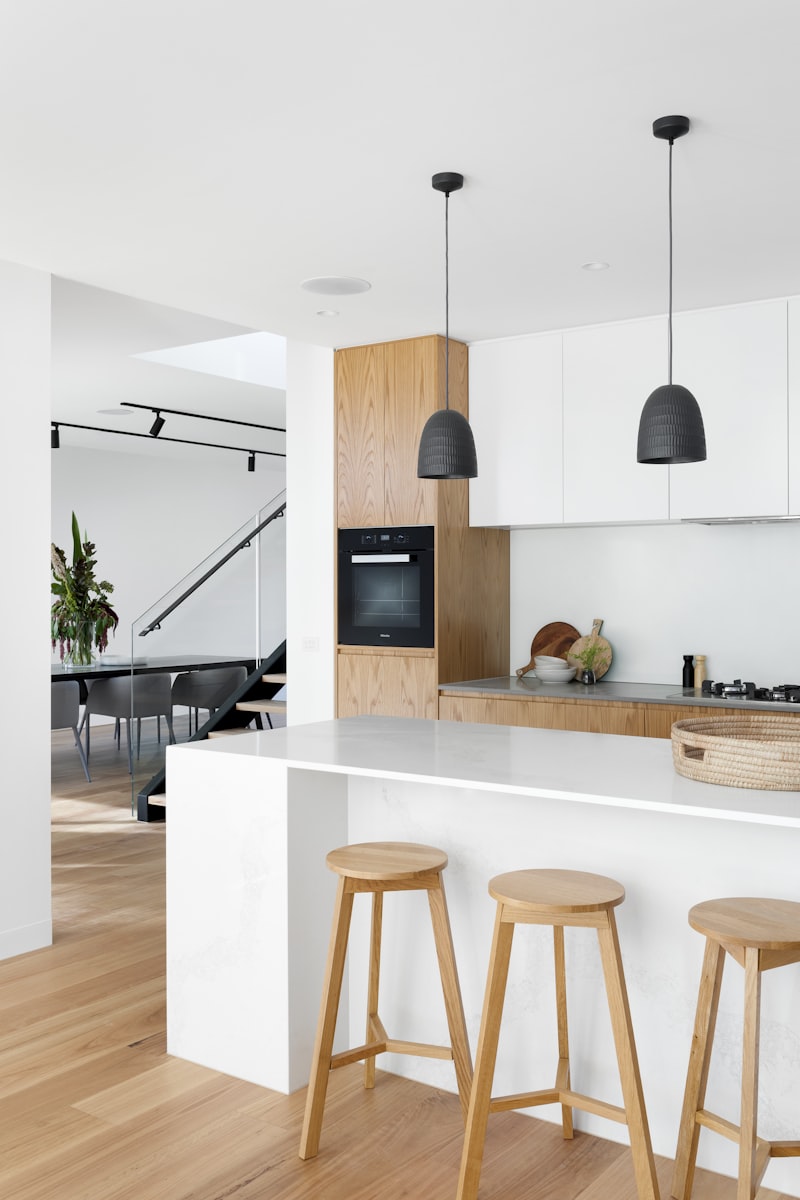
Sleek empty modern condo with floor to ceiling windows
05

Assignments

Specialized expertise navigating pre-construction and assignment sales safely and profitably.

Discover More

Ready to Find Your Dream Home?

Gain a competitive edge with our hyper-local expertise across the GTA. Let our downtown Toronto real estate agents provide the real-time insights and expert guidance you need for a stress-free home buying experience.

Beautiful view of the Toronto skyline and CN Tower
Local Lifestyle

Experience Toronto Like a True Local

From world-class sports venues to vibrant neighborhood street festivals, the city is always buzzing. Discover our curated guide to the events and communities that make Toronto thrive year-round.

  • Major Arenas & Sports
  • Summer Street Festivals
  • Winter Holiday Markets
  • Iconic Neighbourhoods
Explore the Guide
Next Chapter

Thinking About a New Beginning?

Take the first step toward your fresh start. Whether you're buying, selling, or exploring your options, we're here to guide you every step of the way.

Frequently Asked Questions (FAQ)

What areas does the RE/MAX Plus City Team serve?

While we are premier specialists in Downtown Toronto—including highly sought-after neighborhoods like Yorkville, Liberty Village, King West, and the Waterfront—our reach extends across the entire Greater Toronto Area (GTA). We actively help clients buy, sell, and lease in Mississauga, Vaughan, Oakville, Brampton, Hamilton, Richmond Hill, and beyond.

What sets the RE/MAX Plus City Team apart from other realtors?

What sets us apart is our comprehensive approach. We are more than just a real estate team — we are a unified group of professionals with diverse expertise, all dedicated to helping you. By offering a full range of services, we pair hyper-local knowledge with a vast regional reach. Successfully navigating the GTA market requires agents who genuinely understand the nuances of the area—from building-specific condo fees in the urban core to micro-market trends in suburban high-growth communities. We pride ourselves on clear communication, real-time insights, and a proven track record of top-tier results.

What real estate services do you provide?
  • Buying & Selling: Expert guidance for residential and premium commercial properties, complete with bespoke marketing strategies to maximize your property's value.
  • Leasing & Renting: Seamless services for both landlords and tenants, including property marketing, tenant screening, and securing top-tier units.
  • Specialized Services: We have dedicated expertise in Property Management, Home Staging, Power of Sale, and safely navigating Pre-Construction and Assignment Sales.
What do past clients say about working with the RE/MAX Plus City Team?

We are incredibly proud to have earned over 600 5-star Google reviews from our satisfied clients! Our track record reflects our team's commitment to clinical efficiency, deep market knowledge, and providing a stress-free experience for buyers, sellers, landlords, and tenants alike.

I am a landlord. How can you help me rent out my property?

With over 500 units leased in 2025, we are trusted leaders in GTA rental services. Our focus is entirely on protecting your investment. We prioritize long-term results and securing high-quality, reliable tenants, rather than just rushing to fill the unit. From strict tenant screening to asset protection, we ensure your investment is thoroughly looked after.

Where is your office located, and how can I get in touch?

Our main office is conveniently located right in the downtown core at 14B Harbour St, Toronto, ON, M5J 2Y4.

Do you offer access to Power of Sale properties?

Yes! We provide our clients with an exclusive resource to access and navigate Power of Sale listings. Purchasing a Power of Sale property can be a highly lucrative opportunity but involves a complex legal process. Our specialized team has the expertise to help you identify these unique properties and guide you safely through the transaction.

Do you offer tools on your website to help estimate my real estate costs?

We offer a suite of free online financial calculators directly on our website to help you plan your budget with confidence. You can use our Mortgage Calculator, CMHC Mortgage Insurance Calculator, and Land Transfer Tax Calculator to accurately anticipate your monthly payments and closing costs.

Do you offer home evaluations if I am thinking about selling?

Yes, we do! We provide a comprehensive and completely Free Home Evaluation to help you determine exactly what your property is worth in today's market. Whether you are actively looking to list or simply exploring your options for the future, our team will provide expert, data-driven insights to help you make an informed decision.

RSS

Homes for Sale in Downtown Toronto: The Pros and Cons of Living in the Core

If you’re considering purchasing among the homes for sale in downtown Toronto, it’s essential to understand what life in the city core is really like. Living downtown offers unmatched convenience, vibrant urban lifestyle, and premium access to amenities — but it also comes with trade-offs such as cost, space, and noise. This guide will walk you through the key pros and cons so you can decide whether downtown Toronto living suits your goals.


1. What “Downtown Toronto” Means for Buyers

When we say “downtown Toronto”, we’re referring to the central core where many of the city’s tallest condos, major employment hubs and transit connections sit. If you’re browsing listings of homes for sale in downtown Toronto, you’ll find a broad range — from luxury high-rise suites to boutique condo assignments. Often our team at RE/MAX Plus City aligns with clients looking for “Toronto condo assignment for sale” opportunities in this zone.


2. Pros of Living in Downtown Toronto

Here are some of the biggest benefits of choosing a downtown Toronto home:

• Ultimate Walkability & Transit Access

Downtown residents benefit from extremely short commutes, easy access to transit such as the Toronto Transit Commission (TTC), and the ability to leave the car behind. As one commentary puts it: “You can live someplace and manage even without a vehicle” when you’re downtown.

• Proximity to Jobs, Culture & Amenities

Living in the core means you’re near major employment hubs, restaurants, theatres, galleries and nightlife. As noted: downtown Toronto offers “much better access” to job opportunities and urban lifestyle amenities.

• Strong Investment Potential

For those buying one of the homes for sale in downtown Toronto as an investment or long-term hold, urban-core properties tend to maintain strong demand. The location advantage plays into resale potential.

• Vibrant Neighbourhoods & Diversity

Downtown Toronto offers a culturally rich environment: from food and entertainment to diverse communities. One summary of living in Toronto notes the “foodie” scene and cultural diversity as big pluses.


3. Cons of Living in Downtown Toronto

As with any lifestyle choice, there are trade-offs. Here are key drawbacks:

• Higher Cost of Living & Real Estate

The central location comes with a premium. Housing prices, condo fees, taxes and everyday costs tend to be higher. One source states: “The cost of living in Toronto can be quite high… You’ll need about CAD 3,000 every month for home, utilities, food and other basic expenses.”

• Space Limitations & Smaller Units

Homes in the downtown core (especially condos) often mean less square footage, fewer private outdoor spaces, and sometimes higher density. This may matter if you're upgrading or need more room. Reddit users point to “Unless you have a ton of money … you are going to be stuck in a small space with little to no backyard of your own.”

• Noise, Traffic & Construction

Urban life also means more hustle and bustle: traffic, street noise, ongoing construction, and crowded public spaces. One contributor noted: “Afternoon commute … war zone that is Toronto sidewalks.”

• Parking, Car Ownership & Vehicle Costs

If you own a car, downtown living can mean scarce parking and higher costs. One drawback listed: “Parking in downtown Toronto is scarce and costly.”

• Potential for Lifestyle Mismatch

If you expect suburban-style calm or large yards, downtown may feel different. As one rubric said: “You may get disappointed as the real-life will not match your vision.”


4. Is It Right for You? Key Questions to Ask

Before you commit to one of the homes for sale in downtown Toronto, ask yourself:

  • How much do I value walkability, transit and being near amenities versus space, privacy and quieter surroundings?

  • What is my budget and are I comfortable with higher cost of living and possibly higher condo fees/taxes?

  • Will I require parking or a vehicle, or can I realistically live car-free or car-light?

  • Is this a long-term home or a stepping stone? If you plan to raise a family, will the unit and neighbourhood meet future needs?

  • What neighbourhood within downtown do I prefer (e.g., near waterfront, near entertainment district, near business core)? Each sub-area will have its own vibe and cost.


5. How We at RE/MAX Plus City Can Help

If you are actively looking at homes for sale in downtown Toronto, our team brings you:

  • Up-to-date listings including condo assignments and resale units in the core

  • Neighbourhood guidance: which parts of downtown fit your lifestyle (link to our neighbourhood pages)

  • Budgeting for total cost: not just price of purchase, but condo fees, taxes, maintenance, etc.

  • Offer strategy and negotiation expertise in downtown Toronto’s competitive market

For example: you may want to start at our “Toronto condo assignment for sale” page, then move to our “buying” guide which outlines the process for downtown purchasers, and finally contact us via our Contact page to set your requirements.


Conclusion

Choosing to live in the heart of the city among homes for sale in downtown Toronto is a lifestyle choice as much as a purchase. You’ll gain phenomenal convenience, vibrant surroundings and strong location benefits — but you should also be fully aware of the trade-offs: cost, space, noise and car-ownership challenges. By evaluating your personal priorities, budget and future plans — and partnering with an experienced downtown agent — you’ll be better equipped to make the right decision.


FAQs

1. What types of homes for sale exist in downtown Toronto?
You’ll find high-rise condos, boutique low-rise buildings, condo assignments (pre-construction transfer) and occasionally townhouses or lofts in downtown neighbourhoods.

2. Are condo fees higher in downtown Toronto?
Generally yes: condo buildings in the core often include extra amenities (gym, concierge, party room) plus higher maintenance costs owing to building age/amenities/density. Be sure to review the monthly fees when comparing.

3. How does parking factor into downtown Toronto homes?
Many downtown homes either do not include a dedicated parking spot, or parking comes at a premium. If you own a car or plan to buy one, check the parking situation and budget accordingly.

4. Is downtown Toronto a good investment?
Many buyers consider downtown core properties for investment because of location strength, demand and potential resale value. However, always assess individual building health, condo fees, maintenance history, and neighbourhood trends.

5. What budgets should I expect for living downtown?
While purchase price is one component, living downtown means budgeting for higher condo/maintenance fees, taxes, utilities, and possibly parking. Make sure your budget aligns with all costs, not just the sticker price.

Read

Cost of Buying a Home in Toronto: What You Really Need to Know

Buying a home in Toronto is a major financial commitment—and the costs go far beyond just the purchase price. Whether you’re a first‐time buyer or upgrading, it pays to understand the full scope: purchase price, down payment, closing costs, ongoing taxes and maintenance, and the local market dynamics. In this article you’ll get a clear breakdown of what to expect when buying in Toronto in 2025, plus practical steps to budget smartly.


1. Current Market Snapshot: How Much Are Homes in Toronto?

  • The average selling price of a home across Toronto (and the Greater Toronto Area) was about C$960,300 in September 2025, down about 5.5 % compared with one year earlier.

  • For a single-family detached home in Toronto in September 2025, the average was approximately C$1,172,300.

  • The average-price for a condo in Toronto in September 2025 was around C$563,100, reflecting a year-on-year drop of 8.1 %.

  • To afford an “average” Toronto home (with a 20% down payment), estimates say you may need a household income of over C$215,000.

What this tells us: The purchase price alone is high, and affordability remains a critical barrier.


2. Up-Front Costs You Must Budget For

When buying a home, in addition to the purchase price, you’ll face:

  • Down payment: For most buyers in Canada, minimums vary (e.g., 5% for the first C$500,000 of purchase if no insurance, etc.). The larger the down payment, the lower your mortgage and insurance burden.

  • Land transfer taxes: In Ontario and specifically the City of Toronto, there is a provincial land transfer tax and a municipal tax component.

  • Legal / closing costs: Lawyer/notary fees, title insurance, possible adjustment costs (utilities etc)

  • Home inspection / appraisal costs: Often overlooked but wise.

  • Mortgage insurance or CMHC fees: If your down payment is under 20% you may incur this.


3. Ongoing Costs After Purchase

Once you own the home, monthly/annual costs apply:

  • Property tax: In Toronto, estimates suggest a tax rate of about 0.70% of home value. On an $800,000 home that would be ~$5,600 annually.

  • Maintenance / repairs: Homes age, and you’ll need to budget for ongoing upkeep (roof, furnace, windows, etc).

  • Condo fees: If buying a condo, monthly maintenance/condo fees must be factored.

  • Mortgage interest: With current interest rate levels, the interest portion can be substantial.

  • Insurance: Home insurance (structure + contents) is more expensive than renter’s insurance.

  • Utilities / other services: Some may have been included in rent when you were a tenant; as owner you pay all.


4. How to Estimate Your Total Cost: A Simple Example

Let’s assume you’re buying a townhouse in Toronto for C$900,000. Here’s a rough estimate:

  • Purchase price: C$900,000

  • Down payment (20%): C$180,000

  • Mortgage amount: C$720,000

  • Estimated property tax (0.70%): ~C$6,300/year

  • Maintenance/condo fee (if condo) or annual upkeep (if townhouse): variable, say C$4,000/year

  • Insurance: assume ~C$1,500/year

  • Mortgage payment: depends on term & rate (for sake of example, if 5-year fixed at 5% amortized 25 years → monthly ~C$4,200) [This is only illustrative]

Summary: Your monthly cost might easily exceed C$4,500–5,000 (mortgage + tax + insurance + upkeep) in this scenario. That reinforces why income thresholds matter.


5. Factors That Drive the Cost Up or Down

Several variables will change your total cost:

  • Property type: Detached homes cost significantly more than condos.

  • Location/neighbourhood: More desirable neighbourhoods = higher prices + taxes + maintenance.

  • Interest rates: If rates rise, mortgage payments go up.

  • Market timing: As data shows, prices in Toronto have dipped year-on-year (~5.5 %) but remain high and still a barrier.

  • Supply / demand: Inventory levels (for example, Sales-to-New-Listings Ratio) influence bargaining power for buyers.

  • First-time buyer rebates / incentives: Could reduce some costs (e.g., land transfer tax rebate for first-time buyers in Toronto) – check eligibility.


6. Tips to Make Buying More Affordable

  • Consider a condo or townhouse rather than detached to reduce purchase price.

  • Save more than the minimum down payment (aiming >20% avoids mortgage insurance).

  • Shop around for mortgage rates and choose a term you’re comfortable with.

  • Don’t forget to budget for all the ongoing costs (tax, maintenance, insurance) not just the mortgage.

  • Work with a local real-estate agent who understands Toronto’s market and can help you negotiate.

  • Keep your debt-to-income ratio healthy so you can qualify for the mortgage and withstand higher payments if rates rise.

  • Consider timing: if market conditions soften (more listings, price dips) you may have more negotiating power.


7. Why This Matters for Your Buying Decision

Understanding the full cost tells you whether you’re financially ready and helps you avoid over-stretching. If you buy only considering the sticker price without factoring ongoing costs and market risk, you may face stress down the road. With Toronto’s high price levels and affordability challenges, being realistic is key. For example, needing a household income of over C$215,000 to afford the average home in Toronto shows the scale of the commitment.


Conclusion

Buying a home in Toronto is a significant investment—one that goes well beyond just the purchase price. By understanding the current market pricing (average ~$960K to over $1.1 M depending on type), the up-front costs, the ongoing costs, and how to budget wisely, you’ll be in a stronger position to make a smart decision. If you’re working with an agent (such as for listings on Toronto condo assignment for sale), make sure they walk you through all costs and help you match your purchase to your real budget.


FAQs: Cost of Buying a Home in Toronto

  1. How much down payment do I need to buy a home in Toronto?
    For homes under C$500,000, the minimum down payment in Canada is 5% of the first C$500K. For portions above C$500K, 10% is required on the portion up to C$1 M, and 20% above that. Many Toronto homes far exceed those thresholds, so often buyers aim for 20% to avoid mortgage insurance.

  2. What are typical closing and upfront costs besides the purchase price?
    Closing costs may include land transfer taxes (provincial + municipal in Toronto), legal fees, title insurance, home inspection/appraisal, home insurance, and adjustments (utilities, property taxes). These may add up to 1.5-3% of purchase price.

  3. What ongoing annual costs should I plan for as a homeowner in Toronto?
    Key ongoing costs include property tax (about 0.7% of home value in Toronto as a benchmark), insurance, utilities, maintenance/repairs, condo or homeowners association fees (if applicable), and of course mortgage payments. Failing to budget these can cause financial stress.

  4. Are home prices going up or down in Toronto right now?
    As of late 2025, home prices in Toronto are trending slightly downward year‐over‐year: for example, aggregate average ~$960,300 (down ~5.5%) in September 2025. Some forecasts however suggest moderate price increases ahead depending on interest rates and supply.

  5. What household income do I need to buy a home in Toronto?
    Estimates say you may need a household income of around C$215,000 or more to afford an average home in Toronto (with 20% down payment). Your personal affordability will also depend on interest rate, other debts, and ongoing living expenses.

Read

How to Find Affordable Homes in a Competitive Market

Scoring an affordable home in today’s heated real estate market may feel like a moonshot—but it's absolutely within reach. With rising prices and tight competition, finding value requires strategy, insight, and a willingness to explore less obvious opportunities. Here’s your friendly, step-by-step guide to beating the odds—and owning a home that won’t break your bank.

1. Look Beyond the Usual Neighbourhoods

  • Surprisingly, some areas of Toronto that sound upscale on paper—like Rockcliffe-Smythe and Eglinton West—actually offer much greater affordability compared to the city average. Detached homes there are over $600K below typical prices.

  • Other budget-friendly zones include Rexdale, Kipling, Malvern, Rouge, and Dorset Park—worth exploring if you want value without sacrificing access.

2. Tap into Condo Affordability

  • If single-family homes feel out of reach, consider condos in eastern neighbourhoods like West Hill, Centennial Scarborough, Malvern, and Rouge—where average prices can start around $253K to $365K.

3. Go Beyond Toronto: Ontario Offers Value Elsewhere

  • Some of the most affordable cities to buy in Ontario include Windsor, London, Barrie, Kanata, and Guelph. Their home-to-income ratios make ownership much more attainable.

  • For even deeper affordability, towns like Sarnia, Thunder Bay, and Deep River offer a fantastic blend of low housing costs and high livability.

4. Know How Affordability Is Defined (Ownership-Wise)

  • In Ontario, for housing to be considered affordable, it must meet one of two criteria:

    1. Total housing costs stay below 30% of the household's gross income.

    2. Purchase price is at least 10% below the regional resale average.

  • This definition aligns with both financial prudence and real-world access—making it easier to identify genuine value.

Final Summary

In a competitive market, affordable homes still exist—but they're often off the beaten path, in under-appreciated neighbourhoods or outside the GTA. Think east-end Toronto condos, balanced suburbs, or affordable small towns. By combining smart location hunting with a clear understanding of affordability metrics, you can find a home that fits both your lifestyle and your budget.

Frequently Asked Questions

What is the most affordable place to live in Toronto?
Rockcliffe-Smythe, Rexdale/Kipling/Clairville, and Malvern/Rouge stand out for offering detached homes well below the city’s average price—making them top choices for affordability.

What is considered affordable housing in Toronto?
Affordable housing must either keep total shelter costs under 30% of gross household income, or be priced at least 10% below the regional resale average.

Where is the most affordable place to buy a house in Ontario?
Windsor, London, Barrie, Kanata, and Guelph are among the most affordable cities for homebuyers based on home-to-income ratios. For smaller towns, Sarnia, Thunder Bay, and Deep River top the charts.

What is the affordability income for a house in Toronto?
As of mid-2025, a household likely needs between C$199K and C$214K annually to qualify for an average home in Toronto—far above the city's median income (~C$98K–129K).

Where is the lowest cost of living in Ontario?
Many smaller towns outside the GTA—like Deep River, Rainy River, and Englehart—offer the lowest cost of living in the province, with housing prices often under C$250K.


Read
This website may only be used by consumers that have a bona fide interest in the purchase, sale, or lease of real estate of the type being offered via the website. The data relating to real estate on this website comes in part from the MLS® Reciprocity program of the PropTx MLS®. The data is deemed reliable but is not guaranteed to be accurate.
