Service Areas

Toronto Downtown & GTA Real Estate Experts

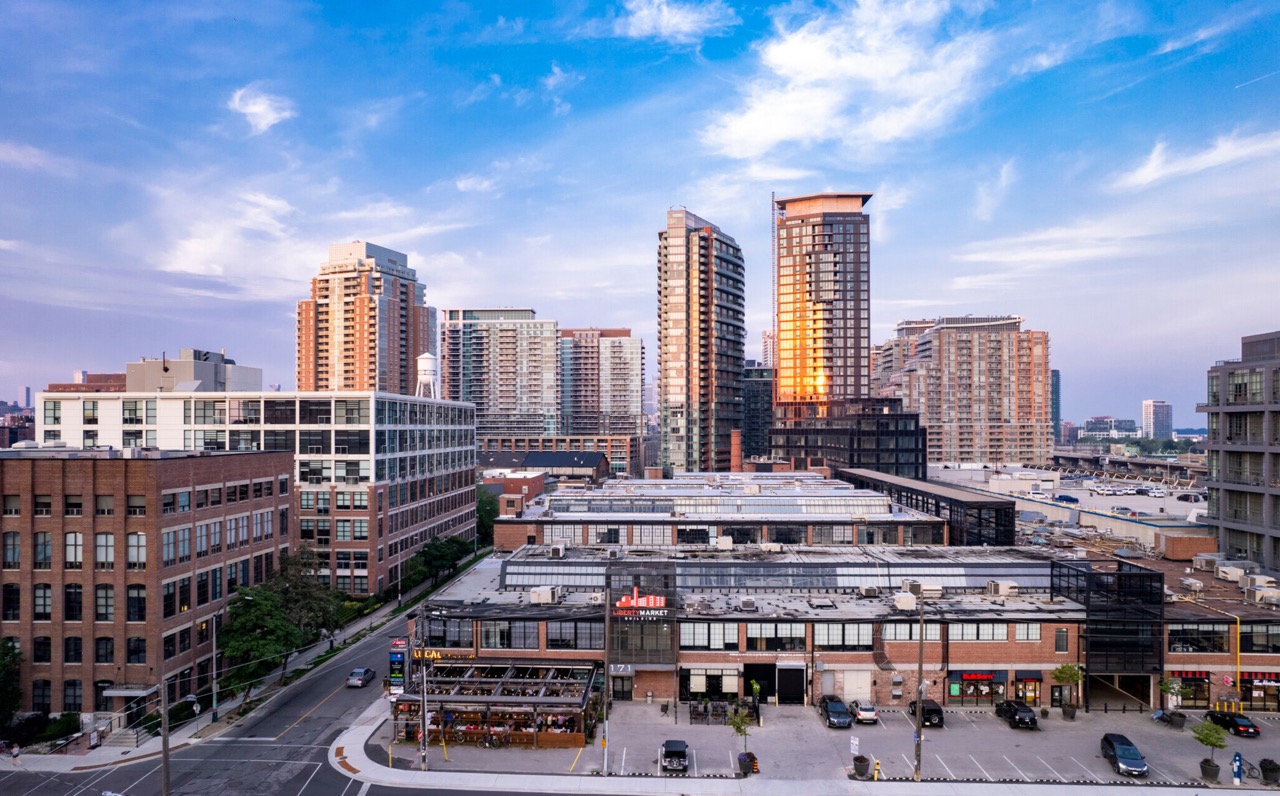
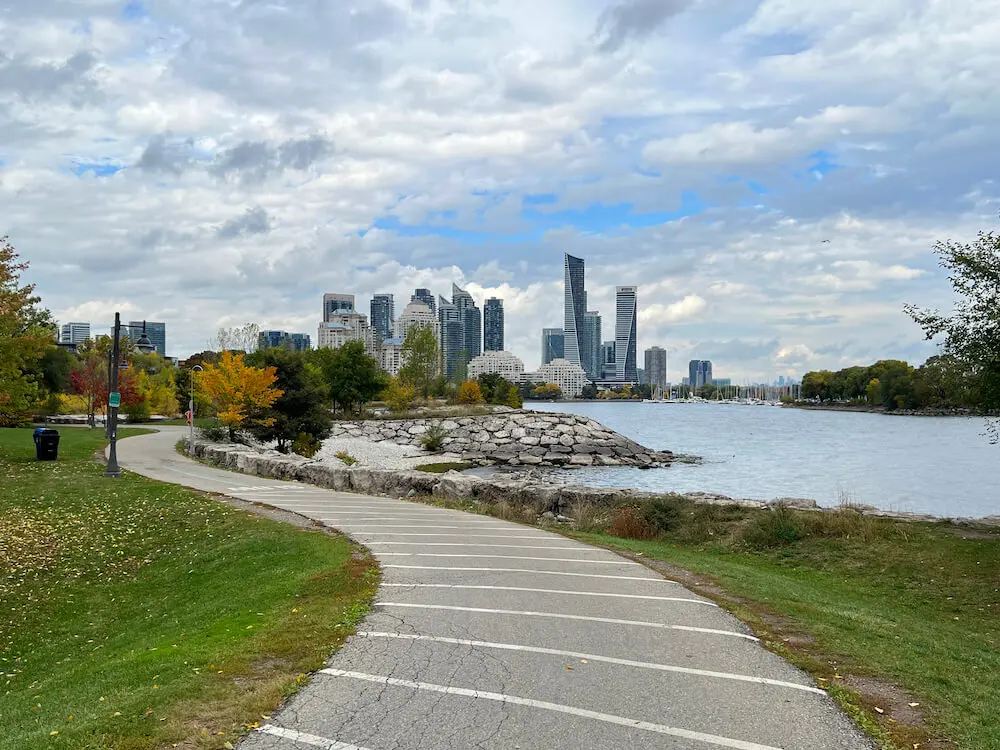
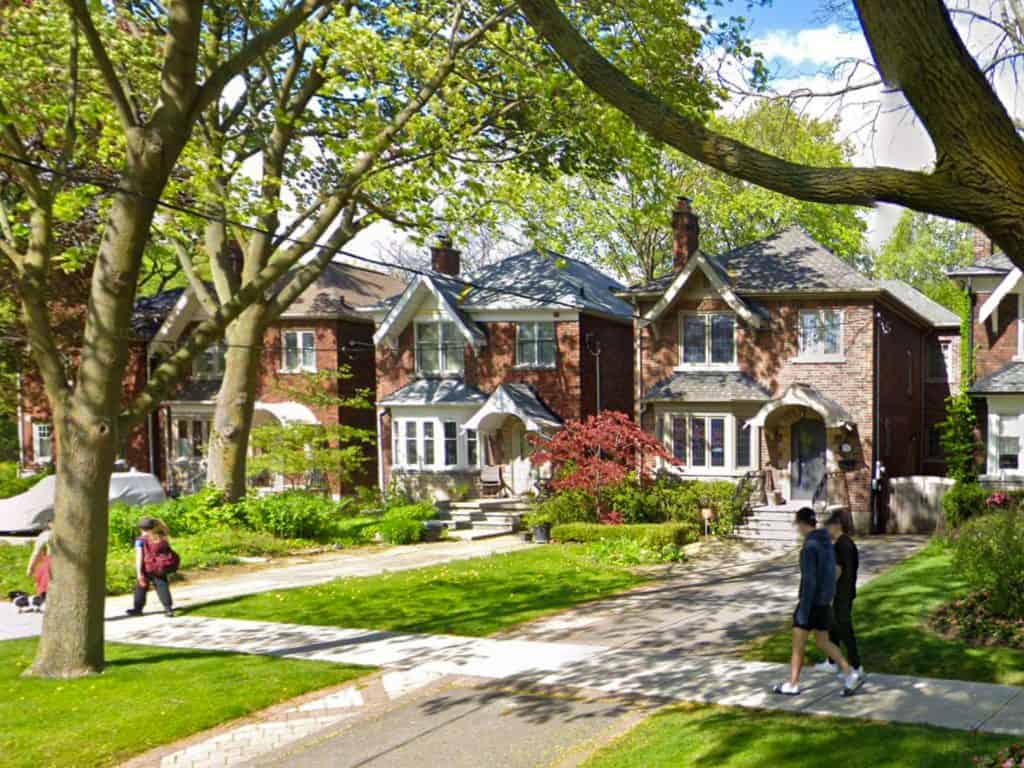
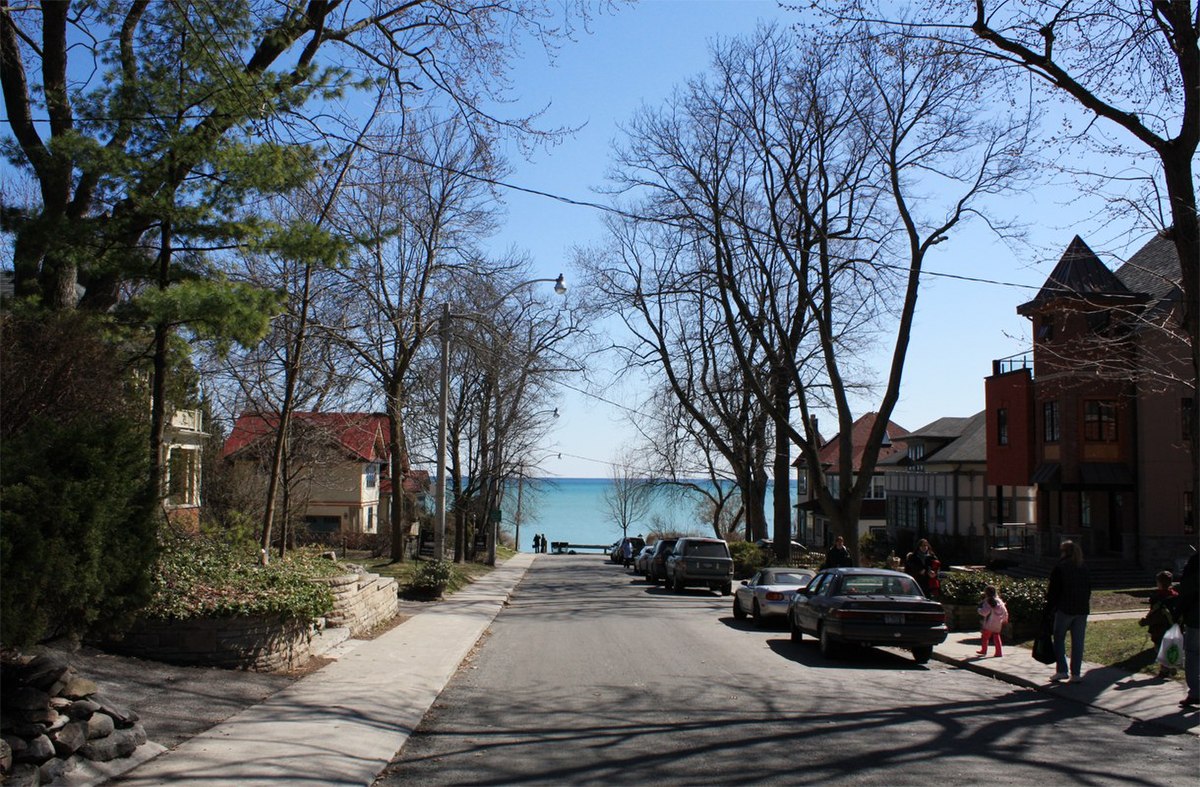
Based at 14B Harbour St, the RE/MAX Plus City team are your premier Toronto Downtown specialists with a reach that extends across the entire GTA. Whether you are searching for a luxury Waterfront condo, a King West loft, or a detached family home in Mississauga, Vaughan, or Oakville, our hyper-local expertise across the Greater Toronto Area provides a definitive competitive edge. Successfully navigating the urban core and suburban markets requires Downtown Toronto agents who understand building-specific fees and regional micro-market trends. From the high-end luxury of Yorkville to the high-growth communities in Richmond Hill and Liberty Village, we deliver real-time insights and proven results for buyers and sellers throughout Toronto and the GTA.

Toronto Real Estate Listings & GTA Homes for Sale

Expertise & Excellence

Full Service Real Estate Solutions

Luxury residential home exterior
01

Buying

Expert guidance to help you acquire premium real estate across Toronto and the Greater Toronto Area.

Discover More
Modern elegant living room interior
02

Selling

Sell your Toronto property with bespoke marketing strategies designed to achieve maximum value.

Discover More
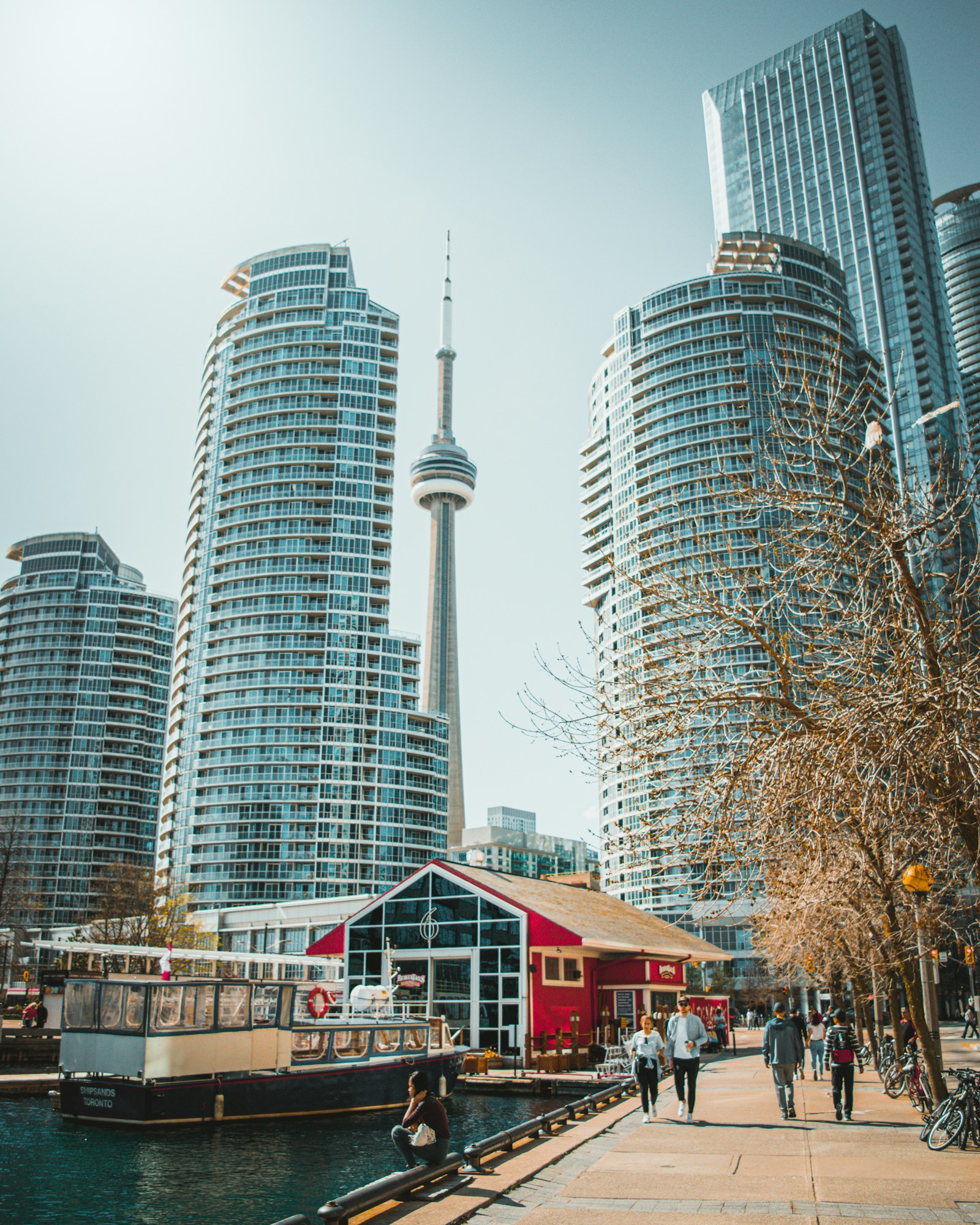
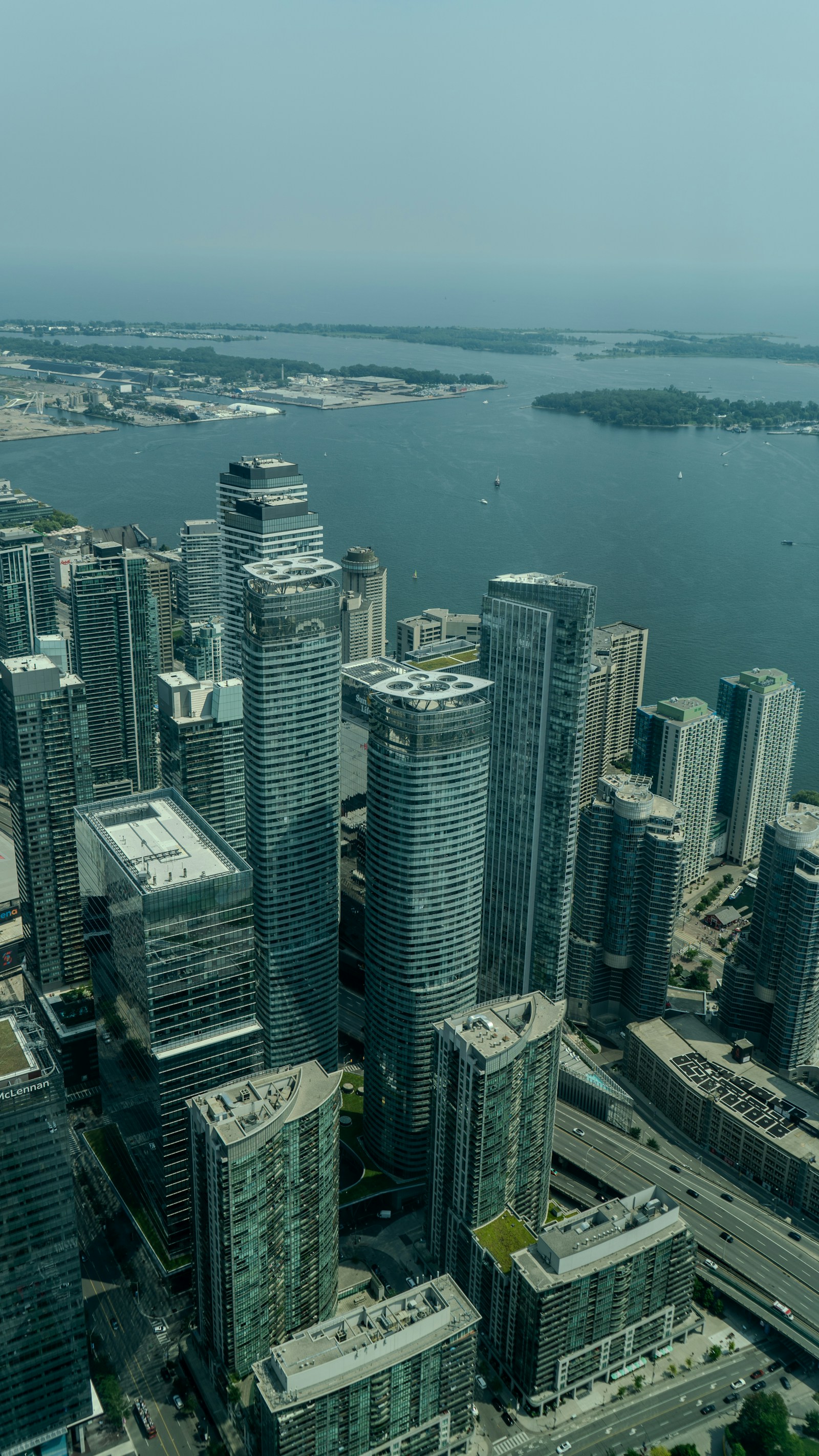
Toronto skyline and luxury high-rise buildings
03

Leasing

Helping landlords seamlessly lease residential and premium commercial spaces across the city.

Discover More
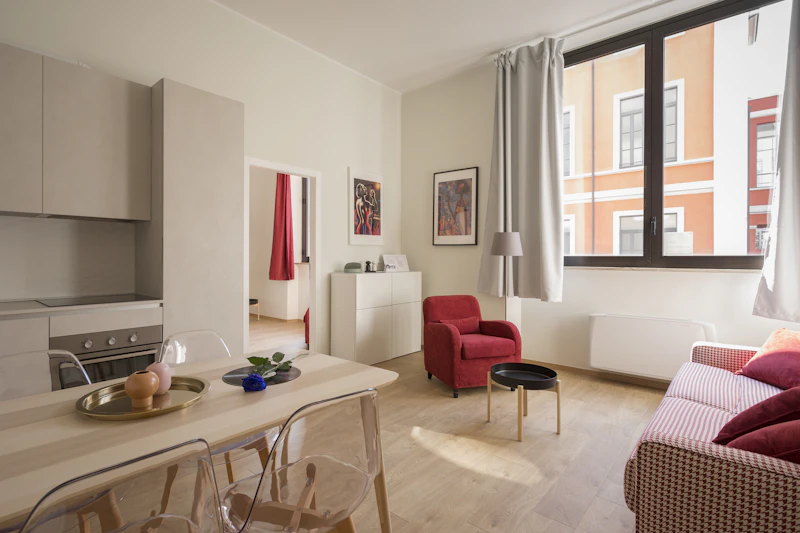
Beautifully staged modern apartment interior
04

Renting

Professional, dedicated support to help tenants secure top-tier properties across the GTA.

Discover More
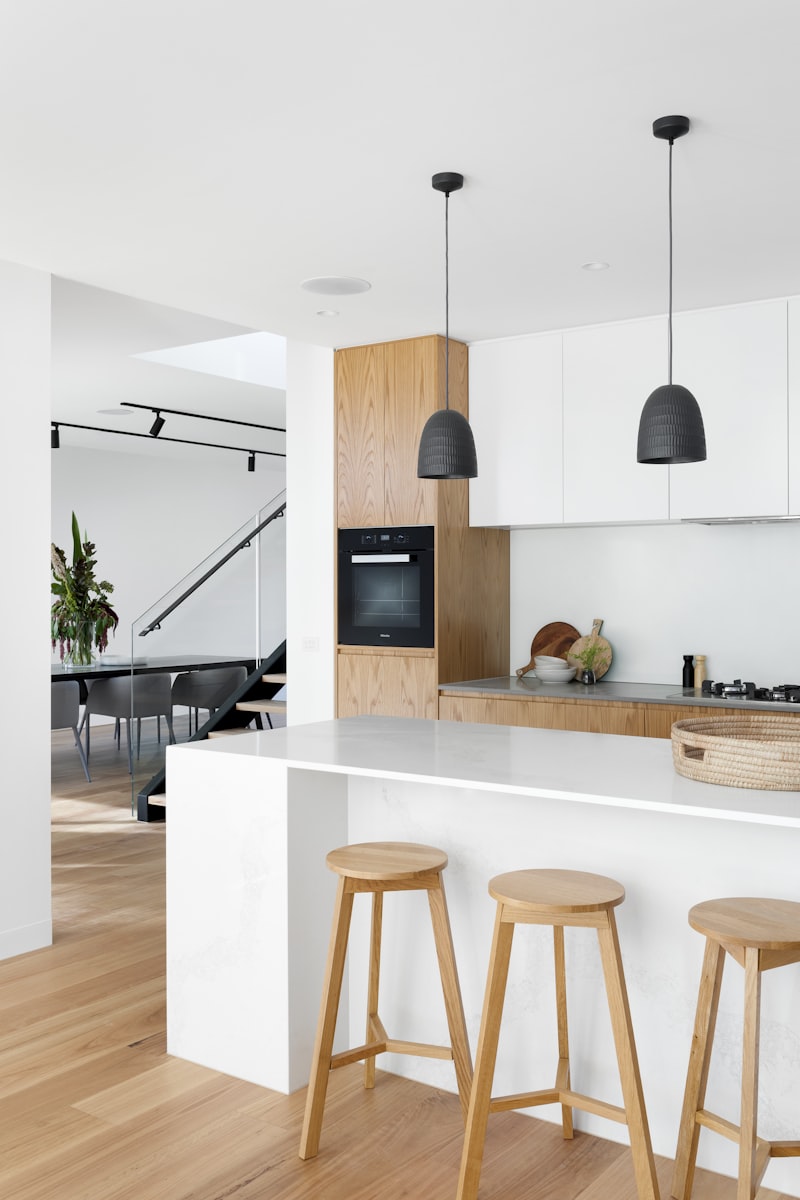
Sleek empty modern condo with floor to ceiling windows
05

Assignments

Specialized expertise navigating pre-construction and assignment sales safely and profitably.

Discover More

Ready to Find Your Dream Home?

Gain a competitive edge with our hyper-local expertise across the GTA. Let our downtown Toronto real estate agents provide the real-time insights and expert guidance you need for a stress-free home buying experience.

Beautiful view of the Toronto skyline and CN Tower
Local Lifestyle

Experience Toronto Like a True Local

From world-class sports venues to vibrant neighborhood street festivals, the city is always buzzing. Discover our curated guide to the events and communities that make Toronto thrive year-round.

  • Major Arenas & Sports
  • Summer Street Festivals
  • Winter Holiday Markets
  • Iconic Neighbourhoods
Explore the Guide
Next Chapter

Thinking About a New Beginning?

Take the first step toward your fresh start. Whether you're buying, selling, or exploring your options, we're here to guide you every step of the way.

Frequently Asked Questions (FAQ)

What areas does the RE/MAX Plus City Team serve?

While we are premier specialists in Downtown Toronto—including highly sought-after neighborhoods like Yorkville, Liberty Village, King West, and the Waterfront—our reach extends across the entire Greater Toronto Area (GTA). We actively help clients buy, sell, and lease in Mississauga, Vaughan, Oakville, Brampton, Hamilton, Richmond Hill, and beyond.

What sets the RE/MAX Plus City Team apart from other realtors?

What sets us apart is our comprehensive approach. We are more than just a real estate team — we are a unified group of professionals with diverse expertise, all dedicated to helping you. By offering a full range of services, we pair hyper-local knowledge with a vast regional reach. Successfully navigating the GTA market requires agents who genuinely understand the nuances of the area—from building-specific condo fees in the urban core to micro-market trends in suburban high-growth communities. We pride ourselves on clear communication, real-time insights, and a proven track record of top-tier results.

What real estate services do you provide?
  • Buying & Selling: Expert guidance for residential and premium commercial properties, complete with bespoke marketing strategies to maximize your property's value.
  • Leasing & Renting: Seamless services for both landlords and tenants, including property marketing, tenant screening, and securing top-tier units.
  • Specialized Services: We have dedicated expertise in Property Management, Home Staging, Power of Sale, and safely navigating Pre-Construction and Assignment Sales.
What do past clients say about working with the RE/MAX Plus City Team?

We are incredibly proud to have earned over 600 5-star Google reviews from our satisfied clients! Our track record reflects our team's commitment to clinical efficiency, deep market knowledge, and providing a stress-free experience for buyers, sellers, landlords, and tenants alike.

I am a landlord. How can you help me rent out my property?

With over 500 units leased in 2025, we are trusted leaders in GTA rental services. Our focus is entirely on protecting your investment. We prioritize long-term results and securing high-quality, reliable tenants, rather than just rushing to fill the unit. From strict tenant screening to asset protection, we ensure your investment is thoroughly looked after.

Where is your office located, and how can I get in touch?

Our main office is conveniently located right in the downtown core at 14B Harbour St, Toronto, ON, M5J 2Y4.

Do you offer access to Power of Sale properties?

Yes! We provide our clients with an exclusive resource to access and navigate Power of Sale listings. Purchasing a Power of Sale property can be a highly lucrative opportunity but involves a complex legal process. Our specialized team has the expertise to help you identify these unique properties and guide you safely through the transaction.

Do you offer tools on your website to help estimate my real estate costs?

We offer a suite of free online financial calculators directly on our website to help you plan your budget with confidence. You can use our Mortgage Calculator, CMHC Mortgage Insurance Calculator, and Land Transfer Tax Calculator to accurately anticipate your monthly payments and closing costs.

Do you offer home evaluations if I am thinking about selling?

Yes, we do! We provide a comprehensive and completely Free Home Evaluation to help you determine exactly what your property is worth in today's market. Whether you are actively looking to list or simply exploring your options for the future, our team will provide expert, data-driven insights to help you make an informed decision.

RSS

The Best Homes Steps Away from Subway or GO Train

Living steps away from a subway or GO train station is more than a convenience—it's a lifestyle upgrade and an investment in your future. Whether you're commuting, renting, or hoping for long-term property appreciation, these transit-adjacent homes offer unmatched value. Here's how to navigate this premium real estate effectively.

1. Transit Proximity Always Commands a Premium

  • Homes within walking distance to transit stations consistently fetch higher prices—especially near new infrastructure like the Eglinton Crosstown LRT and Ontario Line. Some corridors have seen value jumps of up to 15–25%.

  • A prime example: Midtown TTC stops such as York Mills can cost nearly $4 million for detached homes, whereas nearby areas like Kennedy offer significantly lower prices for condos.

2. GO Station Living: Value Meets Commuter Ease

  • GO-adjacent homes offer both affordability and premium location—Barrie South and East Gwillimbury provide entry-level options with strong upside potential.

  • For tighter budgets, homes near West Harbour in Hamilton go for an average of $365K with a 71-minute commute, while Port Credit remains at the high-end at around $1.36M.

3. East Toronto Offers Hidden Value Near TTC

  • East-end neighborhoods like Warden, Kennedy, and Victoria Park offer the most affordable access to TTC lines, with condos priced from $480K and houses just north of $1M.

  • These areas give you transit connectivity without swallowing your budget—making them smart picks for both buyers and investors.

4. Weigh Convenience Against Cost Carefully

  • While transit accessibility offers tremendous value, it comes at a premium. That said, choosing slightly farther—like along subway or GO lines outside downtown—can offer a balance of price and convenience.

  • Example: Townhouses near Don Mills may average $835K, but move a few stops and prices drop by nearly 27%.

Final Summary

Homes steps from subway or GO stations deliver unmatched accessibility, future-oriented value, and lifestyle convenience. While pricing varies considerably—from budget-friendly eastern corridors to ultra-prime Midtown addresses—the key is balancing cost with long-term gain. With smart location choices, you can enjoy both transit ease and investment potential.

Frequently Asked Questions

Are home prices dropping in Toronto?
Moderate declines are seen throughout 2025, with home prices down roughly 5% year-over-year. Inventory remains high, giving buyers a bit more negotiating power.

Are there homes on Toronto Island?
Yes—the Toronto Islands do offer a small selection of homes, but availability is limited and often comes with unique access and zoning considerations.

Is it a good time to buy a house in Toronto?
For well-financed, patient buyers, current conditions are favorable: prices have softened, and inventory remains ample. It's a good time if you’re strategic.

How many homes are vacant in Toronto?
The city's Vacant Home Tax program estimates about 1–1.2% of residential properties are vacant—roughly 8,700 in 2023. The tax is rising to 3% to encourage occupancy.

How many condos are sitting empty in Toronto?
Toronto has nearly 65,000 empty condo units, and investment condos carry vacancy rates ranging from 5.5% to 10.1% depending on age. This highlights the supply imbalance in the market.


Read

How to Prepare Before Stepping Into an Open House

Walking into an open house can be overwhelming—especially with thousands of details racing through your mind. Should you ask about roof age? Is the staging hiding issues? Don’t worry—we’ve collected the most down-to-earth, tried-and-tested strategies to help you walk in with confidence and walk out with clarity.

1. Pack the Right Essentials

Bring the tools that help you make informed decisions, not just take pretty pictures.

  • Tape measure to check room dimensions and furniture fit.

  • Flashlight to spot water stains, mold, or hidden issues in basements and closets.

  • Notepad, camera/phone (with permission) to record observations and impressions.

2. Look Beyond the Staging

Beautiful decor can mesmerize—but don’t let it blind you to the essential:

  • Open every door, look behind drapes, and peek inside the pantry, basement, and closets.

  • Note any odd-sounding floors, drafts, or signs of water exposure. These are red flags, not design flaws.

3. Ask Smart, Stay Reserved

An open house is your chance to gather intel—without giving away your game.

  • Ask about the home’s age, inspection reports, past problems or repairs, and reasons for selling.

  • But don’t mention your budget or strong liking—it’s strategic to stay neutral.

4. Respect the Space & People

Behavior speaks loud—even when you’re just visiting.

  • Be polite: sign in if needed, wait your turn, and stay respectful of the seller’s home.

  • Always ask before snapping photos or filming.

  • Keep feedback non-judgmental—save opinions for later.

5. Explore the Neighborhood—Snap or No Snap

The address matters as much as the house.

  • Take a walk or drive the area to gauge traffic, nearby amenities, and layout.

  • Pay attention to fellow attendees—high turnout might mean competition, fewer visitors could give you an upper hand.

Final Summary

Before you step into an open house, come prepared with tools and questions, look past the staging, engage thoughtfully, and observe the surroundings. This isn't just about falling for the right home—it’s about making an informed choice that fits your future.

Frequently Asked Questions

Q: What should I bring to an open house?
Bring essentials like a tape measure, flashlight, notepad, and camera—and always ask the agent before taking photos.

Q: How do I identify red flags during an open house?
Listen for creaks, test windows and faucets, and scan for water stains or mold—well before entering the home.

Q: Is it okay to ask lots of questions at an open house?
Yes! Smart questions about inspections, repairs, and home history show diligence—but avoid revealing your budget or emotional attachment.

Q: Can I attend open houses just to look, even if I'm not buying?
Absolutely. Most agents expect curious visitors. Just be respectful and honest if asked.

Q: Should I take notes or photos, and how?
Use a notepad to jot down observations. If you'd like photos or video, always ask for permission first—respect is key.


Read

How to Make Your First Profitable Property Investment

Investing in property can feel like defusing a time bomb—exciting yet nerve-wracking. Getting it right means mastering numbers, neighborhoods, and your own expectations. Whether you're looking at rental income, renovations flipped for profit, or long-term equity growth, here’s your clear, step-by-step path to a profitable first investment.

1. Crunch the Numbers with Clarity

  • Always start by knowing the numbers. Use pro-forma analyses to verify projected rents, expenses, cap rates, and realistic ROI. Never invest on a gut feeling alone.

  • Get honest about your finances: lenders often require at least 20% down payment for investment properties, and usually count only 50–80% of your rental income toward qualifying.

2. Make Cash Flow Your North Star

  • Search for properties that generate strong, positive cash flow—not just future appreciation. Break-even is common in Toronto; sustainable positive cash flow is rare, and highly valuable.

  • Apply the 2% rule as a quick filter: ideally, monthly rent should be at least 2% of the property’s purchase price. If not, it may not cash flow well.
    A Reddit investor points out that in high-priced markets like Toronto, the 2% rule often only works with larger multi-unit buildings—not single-family homes.

3. Location, Location, Location

  • Quality trumps quantity. Choose neighborhoods with expanding transit, growing demand, and missing-middle development—spots where rental and resale appetites are rising.

  • Research long-term demand drivers like universities, major employers, and transit expansions to ensure sustained value.

4. Budget Wisely Beyond the Listing Price

  • Include all costs in your budget: legal fees, insurance, vacancy buffers, caps on rent increases, and upkeep. One guide recommends setting aside 5–15% of property value for reserves and at least 10% for vacancy coverage.

  • Be wary: property investing often involves continuous costs—not a set-it-and-forget-it venture.

5. Use Strategy: Equity, Refinance & Scaling

  • With Toronto’s high prices, scaling using “BRRRR” strategy—Buy, Rehab, Rent, Refinance, Repeat—can help build momentum even on a modest budget.Focus first on strong cash flow and value-add; once your equity grows, you can refinance and unlock capital for your next project.

Final Summary

Making your first property investment profitable in Toronto takes a blend of analytical rigor, neighborhood insight, and financial savviness. Focus on cash flow—not just appreciation—understand your true expenses, and invest strategically with long-term scaling in mind. It’s about smart moves, not shortcuts.

Frequently Asked Questions

Q: Is it a good idea to invest in real estate in Toronto right now?
Yes—Toronto remains attractive for savvy investors thanks to steady rental demand, lower prices, and softer interest rates. These conditions are especially favourable for long-term, income-driven strategies.

Q: What is the 2% rule?
This guideline suggests that an investment property's rent should be at least 2% of its purchase price monthly to ensure healthy cash flow. For instance, a $200,000 property should bring in $4,000 per month in rent to meet the 2% threshold.

Q: Are Toronto real estate prices dropping?
Yes—average home prices have fallen about 5%–5.5% year-over-year, with June 2025 benchmark pricing at ~$995,100. July saw further cooling despite a sales rebound, underscoring a market shift toward buyers.

Q: What is the best strategy for investing in real estate?
The best strategy blends positive cash flow, careful market selection, and reinvestment via the BRRRR method (Buy, Rehab, Rent, Refinance, Repeat). Begin with solid numbers, leverage equity to scale, and stay focused on neighborhoods with growth potential.

Read
This website may only be used by consumers that have a bona fide interest in the purchase, sale, or lease of real estate of the type being offered via the website. The data relating to real estate on this website comes in part from the MLS® Reciprocity program of the PropTx MLS®. The data is deemed reliable but is not guaranteed to be accurate.