
Service Areas

Toronto Downtown & GTA Real Estate Experts

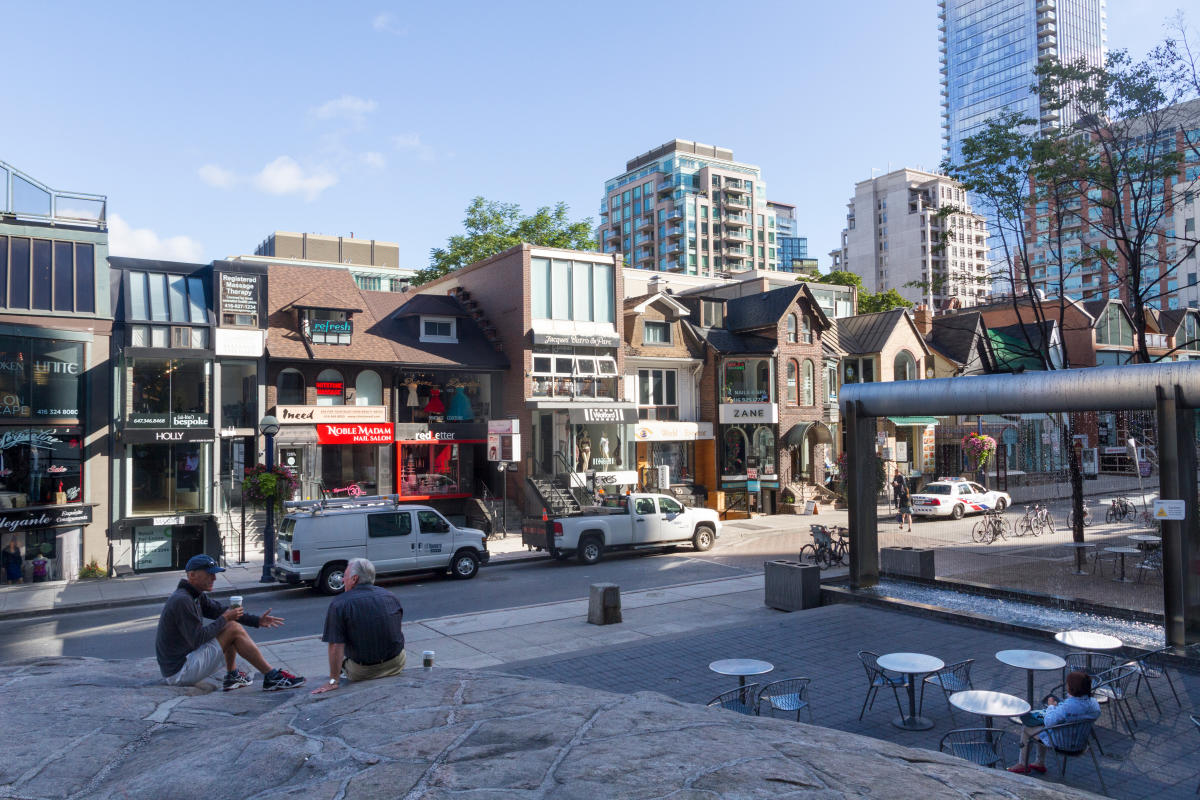
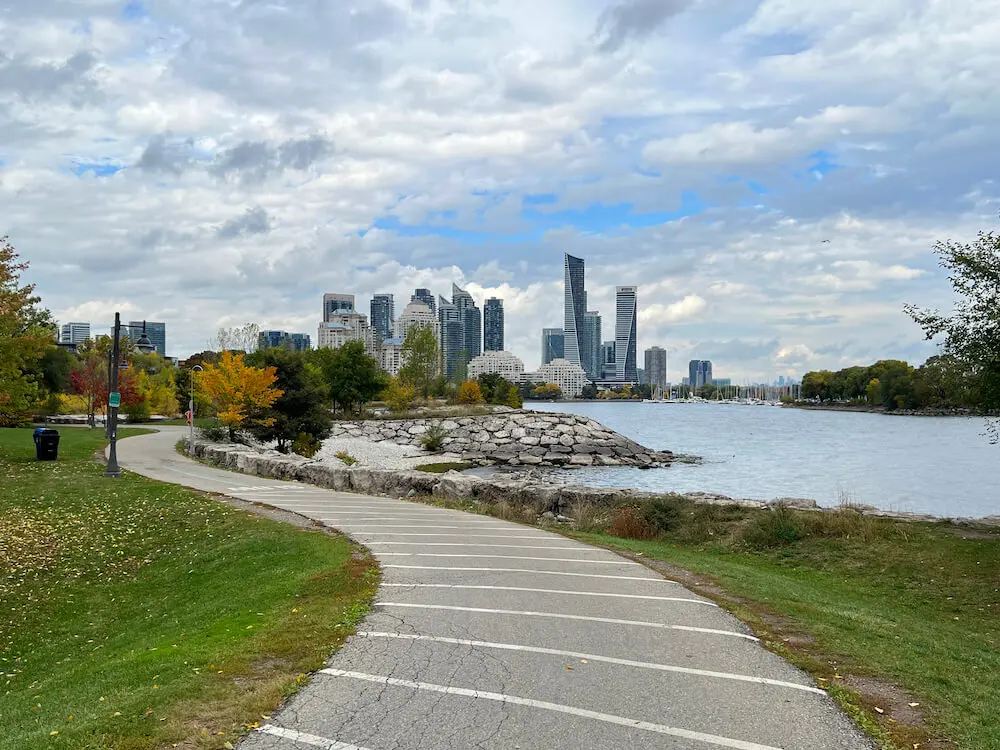
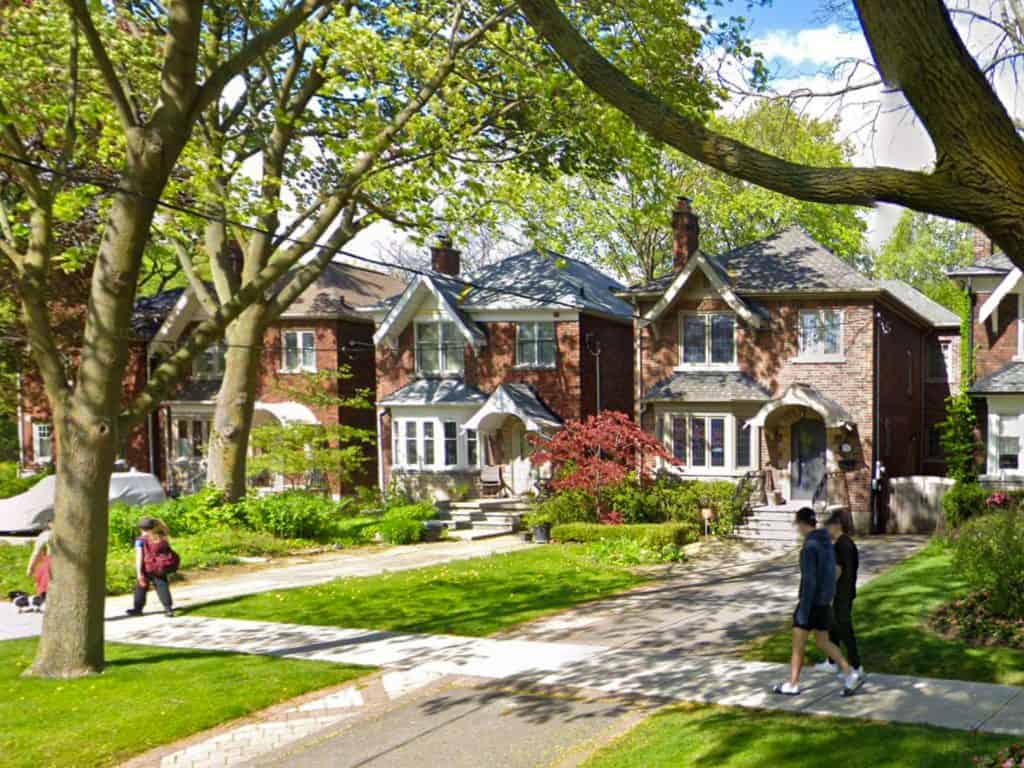
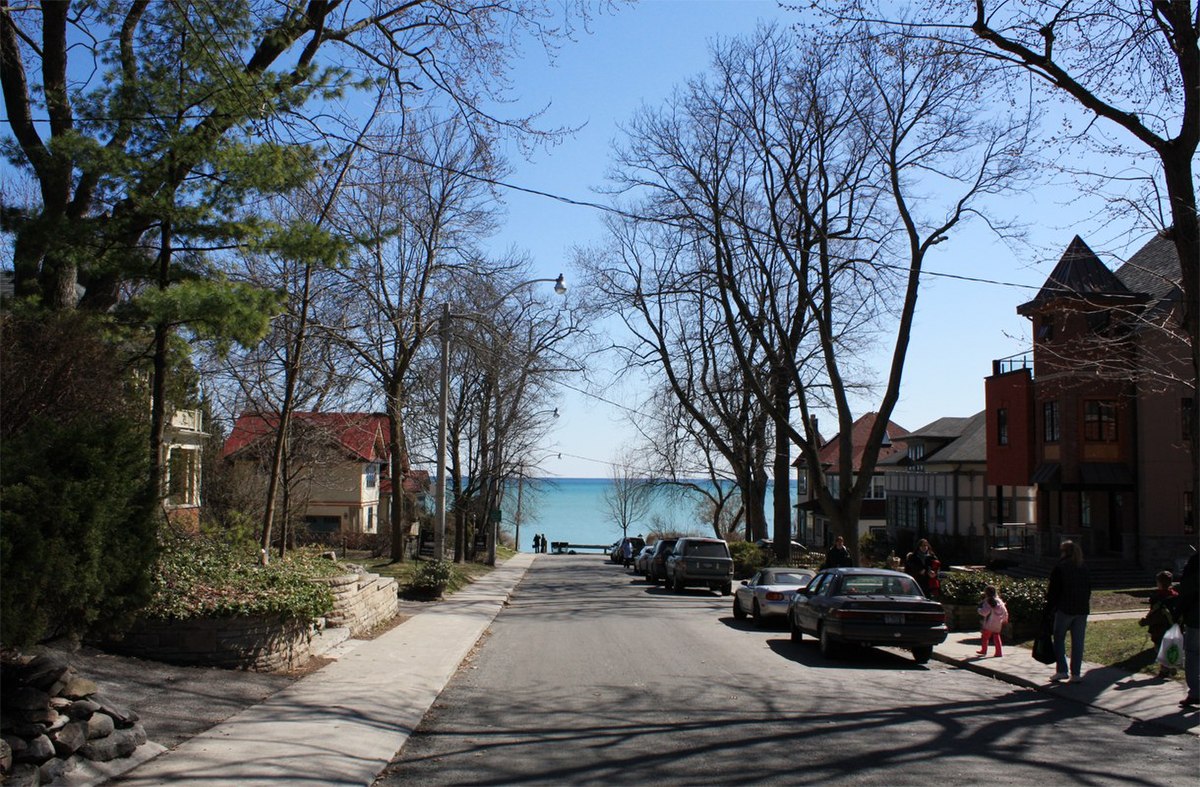
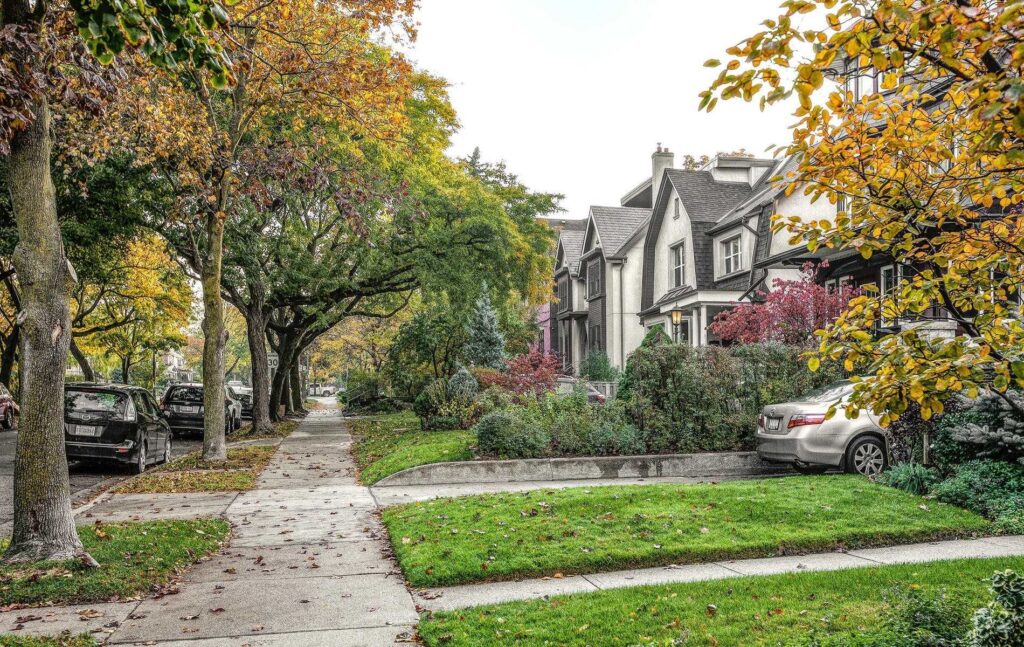
Based at 14B Harbour St, the RE/MAX Plus City team are your premier Toronto Downtown specialists with a reach that extends across the entire GTA. Whether you are searching for a luxury Waterfront condo, a King West loft, or a detached family home in Mississauga, Vaughan, or Oakville, our hyper-local expertise across the Greater Toronto Area provides a definitive competitive edge. Successfully navigating the urban core and suburban markets requires Downtown Toronto agents who understand building-specific fees and regional micro-market trends. From the high-end luxury of Yorkville to the high-growth communities in Richmond Hill and Liberty Village, we deliver real-time insights and proven results for buyers and sellers throughout Toronto and the GTA.

Toronto Real Estate Listings & GTA Homes for Sale

Expertise & Excellence

Full Service Real Estate Solutions

Luxury residential home exterior
01

Buying

Expert guidance to help you acquire premium real estate across Toronto and the Greater Toronto Area.

Discover More
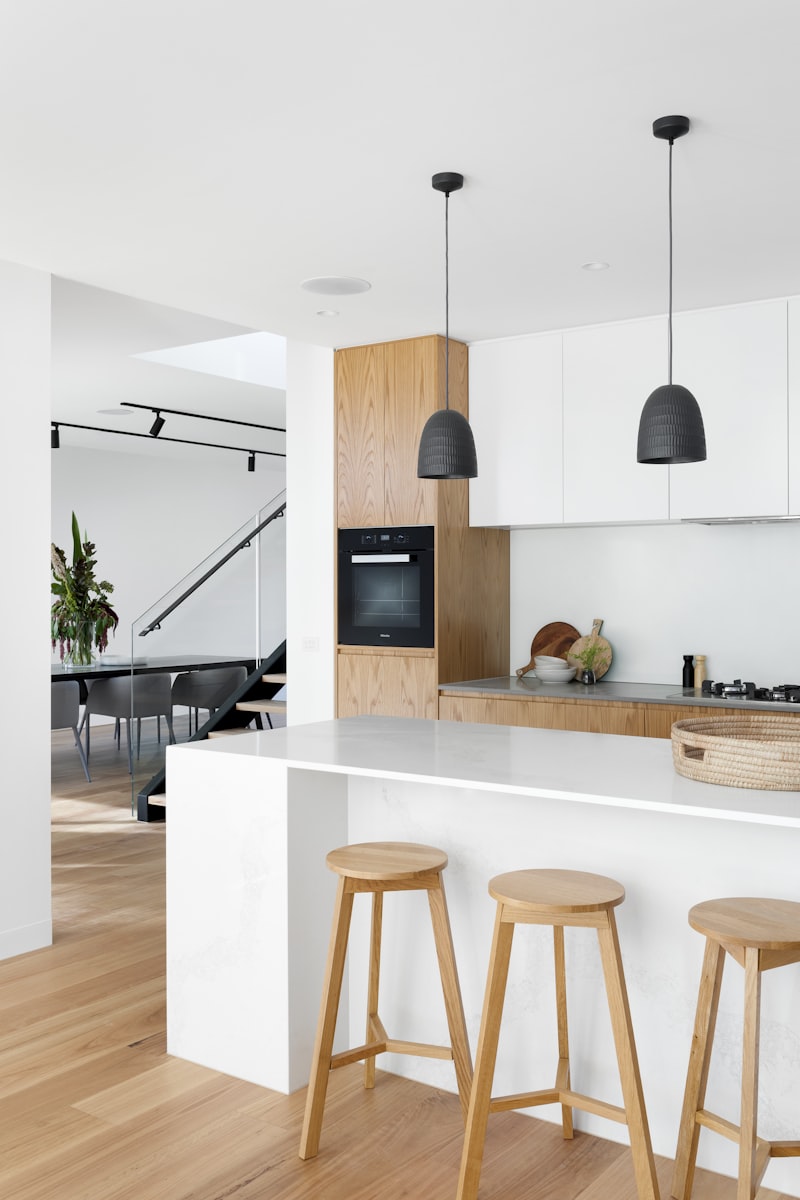
Modern elegant living room interior
02

Selling

Sell your Toronto property with bespoke marketing strategies designed to achieve maximum value.

Discover More
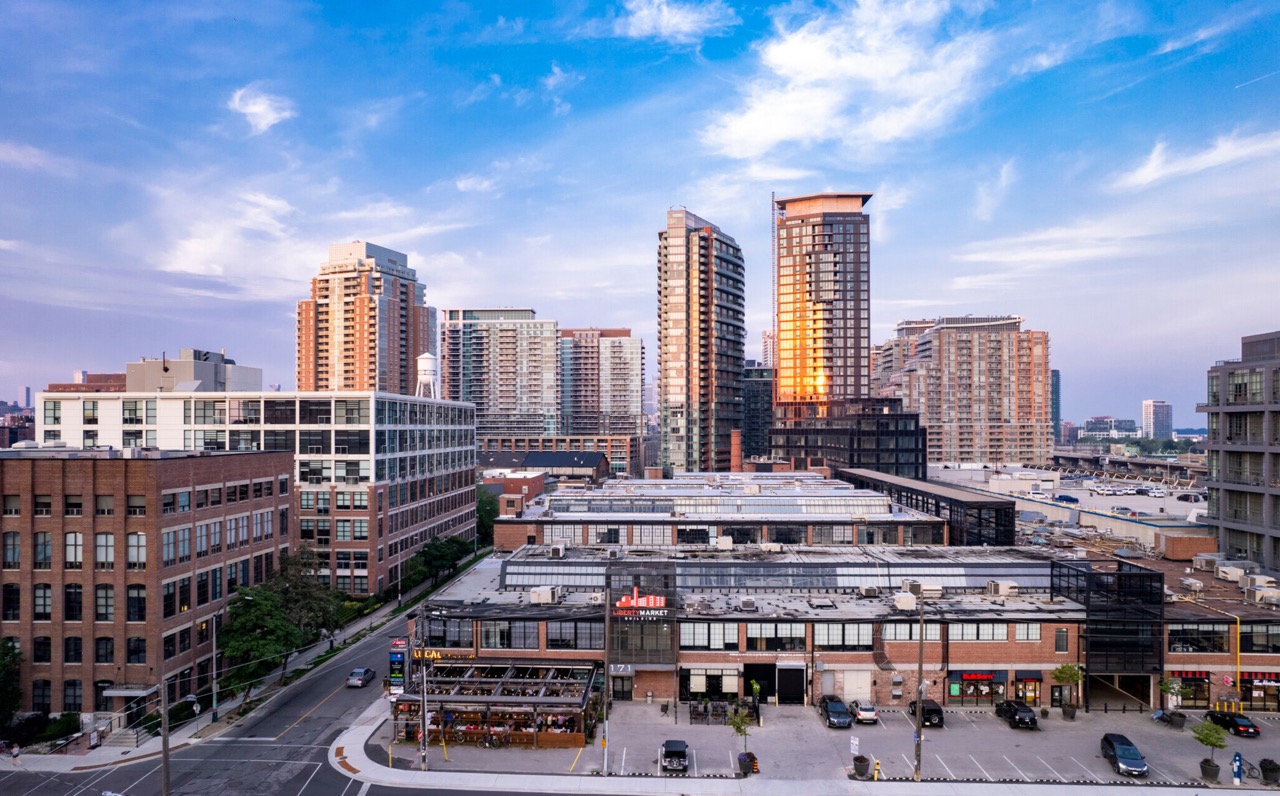
Toronto skyline and luxury high-rise buildings
03

Leasing

Helping landlords seamlessly lease residential and premium commercial spaces across the city.

Discover More
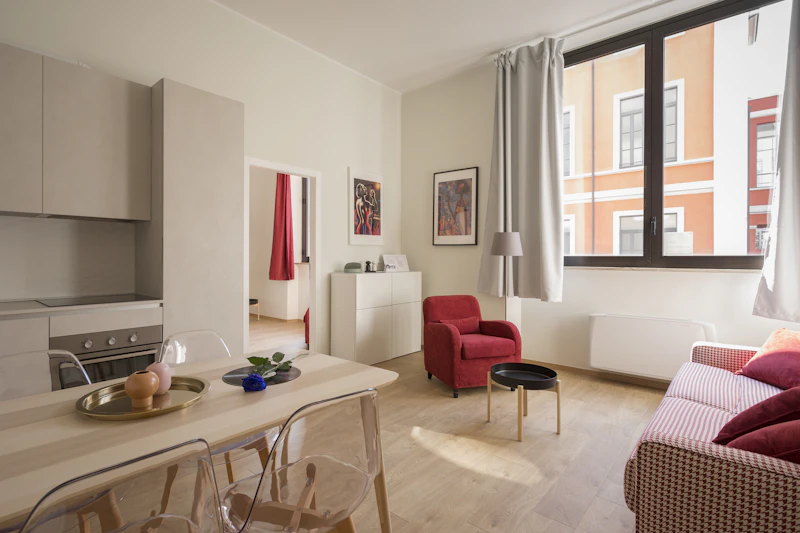
Beautifully staged modern apartment interior
04

Renting

Professional, dedicated support to help tenants secure top-tier properties across the GTA.

Discover More
Sleek empty modern condo with floor to ceiling windows
05

Assignments

Specialized expertise navigating pre-construction and assignment sales safely and profitably.

Discover More

Ready to Find Your Dream Home?

Gain a competitive edge with our hyper-local expertise across the GTA. Let our downtown Toronto real estate agents provide the real-time insights and expert guidance you need for a stress-free home buying experience.

Beautiful view of the Toronto skyline and CN Tower
Local Lifestyle

Experience Toronto Like a True Local

From world-class sports venues to vibrant neighborhood street festivals, the city is always buzzing. Discover our curated guide to the events and communities that make Toronto thrive year-round.

  • Major Arenas & Sports
  • Summer Street Festivals
  • Winter Holiday Markets
  • Iconic Neighbourhoods
Explore the Guide
Next Chapter

Thinking About a New Beginning?

Take the first step toward your fresh start. Whether you're buying, selling, or exploring your options, we're here to guide you every step of the way.

Frequently Asked Questions (FAQ)

What areas does the RE/MAX Plus City Team serve?

While we are premier specialists in Downtown Toronto—including highly sought-after neighborhoods like Yorkville, Liberty Village, King West, and the Waterfront—our reach extends across the entire Greater Toronto Area (GTA). We actively help clients buy, sell, and lease in Mississauga, Vaughan, Oakville, Brampton, Hamilton, Richmond Hill, and beyond.

What sets the RE/MAX Plus City Team apart from other realtors?

What sets us apart is our comprehensive approach. We are more than just a real estate team — we are a unified group of professionals with diverse expertise, all dedicated to helping you. By offering a full range of services, we pair hyper-local knowledge with a vast regional reach. Successfully navigating the GTA market requires agents who genuinely understand the nuances of the area—from building-specific condo fees in the urban core to micro-market trends in suburban high-growth communities. We pride ourselves on clear communication, real-time insights, and a proven track record of top-tier results.

What real estate services do you provide?
  • Buying & Selling: Expert guidance for residential and premium commercial properties, complete with bespoke marketing strategies to maximize your property's value.
  • Leasing & Renting: Seamless services for both landlords and tenants, including property marketing, tenant screening, and securing top-tier units.
  • Specialized Services: We have dedicated expertise in Property Management, Home Staging, Power of Sale, and safely navigating Pre-Construction and Assignment Sales.
What do past clients say about working with the RE/MAX Plus City Team?

We are incredibly proud to have earned over 600 5-star Google reviews from our satisfied clients! Our track record reflects our team's commitment to clinical efficiency, deep market knowledge, and providing a stress-free experience for buyers, sellers, landlords, and tenants alike.

I am a landlord. How can you help me rent out my property?

With over 500 units leased in 2025, we are trusted leaders in GTA rental services. Our focus is entirely on protecting your investment. We prioritize long-term results and securing high-quality, reliable tenants, rather than just rushing to fill the unit. From strict tenant screening to asset protection, we ensure your investment is thoroughly looked after.

Where is your office located, and how can I get in touch?

Our main office is conveniently located right in the downtown core at 14B Harbour St, Toronto, ON, M5J 2Y4.

Do you offer access to Power of Sale properties?

Yes! We provide our clients with an exclusive resource to access and navigate Power of Sale listings. Purchasing a Power of Sale property can be a highly lucrative opportunity but involves a complex legal process. Our specialized team has the expertise to help you identify these unique properties and guide you safely through the transaction.

Do you offer tools on your website to help estimate my real estate costs?

We offer a suite of free online financial calculators directly on our website to help you plan your budget with confidence. You can use our Mortgage Calculator, CMHC Mortgage Insurance Calculator, and Land Transfer Tax Calculator to accurately anticipate your monthly payments and closing costs.

Do you offer home evaluations if I am thinking about selling?

Yes, we do! We provide a comprehensive and completely Free Home Evaluation to help you determine exactly what your property is worth in today's market. Whether you are actively looking to list or simply exploring your options for the future, our team will provide expert, data-driven insights to help you make an informed decision.

RSS

How to Get the Lowest Mortgage Rates in Toronto

Securing a home in Toronto is a milestone full of excitement—and the mortgage rate you lock in will shape your financial future. Whether you're a first-time buyer or refinancing, smart strategies can help you save thousands. Let’s unpack how to get the lowest mortgage rates—without sacrificing authenticity or clarity.

1. Shop Smart: Compare Lenders, Banks & Brokers

  • Don’t settle for your own bank's offer alone. Mortgage brokers can access a broader range of lenders, often securing lower rates than you'd get directly.

  • Use comparison platforms (like Ratehub.ca or WOWA.ca) to view real-time Toronto rates across fixed and variable terms—5-year fixed often remains the most popular.

2. Invest in Your Creditworthiness & Down Payment

  • A higher credit score directly translates into lower interest rates. Pay down debt, settle bills on time, and clean up your credit ahead of applying.

  • A larger down payment can unlock discounted rates and avoid mortgage insurance. Always ask your lender for a lower “discounted rate” off their posted rate.

3. Ask About Rate-Lowering Tactics

  • Your lender or seller may offer temporary buydowns—where your monthly rate is discounted for the first year or two.

  • Consider mortgage porting if you already have a low rate: you might be able to transfer it to your new home, instead of taking on a higher current rate.

4. Stay Flexible: Term Choices Matter

  • Shorter terms (e.g., 3-year vs. 5-year) often carry lower rates and build equity quicker—but also come with slightly higher monthly costs.

  • Variable rates may save you money if variable rate trends continue downward. But fixed rates offer stability amid uncertainty.

5. Leverage Volume & Trustworthy Help

  • Larger brokers like True North Mortgage promise guaranteed lowest rates and may even pass on part of their commission to you.

  • Many brokers are legally obligated to act in your best interest, and their volume relationships can translate into better pricing.

  • Need local guidance? Connect with the RE/MAX Plus City Team for personalized advice on buying a home in Downtown Toronto or anywhere across the GTA—we’ll help you make smart, informed financial decisions every step of the way.

Final Summary

Getting the best mortgage rate in Toronto is a mix of strategy, preparation, and smart partnerships. Shop around—including brokers—polish your credit, consider creative tools like buydowns or porting, and choose terms that fit your timeline. This is your home-buying journey—take control.

For personalized property insights or mortgage guidance, contact RE/MAX Plus City Team—your Downtown Toronto real estate experts.

Frequently Asked Questions

Is it worth using a mortgage advisor?
Yes—mortgage brokers give you access to multiple lenders, volume discounts, and expert advice typically at no cost to you. Many are legally bound to act in your best interest and can save you thousands in interest.

What income do you need for a $500,000 mortgage in Canada?
Estimates vary: one guide suggests earning about $275,000/year for a $500K mortgage at 3% interest. Other models using Canada's stress test estimate a minimum income of around $122,583/year (based on $550K home, $50K down).

What is the monthly payment on a $400,000 mortgage in Ontario?
Using current qualifying rates and a typical amortization, you'd need an annual income of roughly $96,000 to $100,900 to qualify. Exact monthly payments depend on your chosen rate and term but can be estimated using affordability calculators from BMO, CIBC, TD, or Ratehub.

What not to say to a mortgage advisor?
Avoid phrases that lower your credibility. Don’t admit to poor credit, unstable income, or high debt early. Instead, stress your preparedness—your down payment, stability in income, and willingness to compare lender options.

What is a red flag in a mortgage?
Watch for unusually high rates, undisclosed fees, unclear terms, or pushy sales tactics focusing only on closing a deal—not your long-term fit. If lenders can't articulate rate factors or your contract feels opaque, proceed with caution.


Read

How To Choose An Area That Will Grow In Value

Finding the perfect neighbourhood isn’t just about today’s aesthetics or commute—it’s about future gains. Choosing an area that's primed for growth means choosing equity, lifestyle, and security. Here’s a smarter, more intuitive guide to help you pick where value will rise in the years ahead.

1. Prioritize Transit & Infrastructure Expansion

  • Transit access is a growth driver. Look for neighbourhoods near new subway, LRT, or GO stations—like Midtown’s Scarborough or Downsview North—where value is likely to climb as commuting gets easier.

  • Areas undergoing large-scale redevelopment often surge in value before mainstream awareness catches on.

2. Watch Early Signs of Supply Constraints

  • In markets like Ontario and B.C., supply currently exceeds demand, creating buyer leverage—and leaving room for smart investors to enter before market equilibrium stabilizes.

  • Conversely, supply-constrained regions—Prairies, Quebec—are showing firmer price resilience.

3. Seek Markets Where Prices Are Resetting, but Fundamentals Hold

  • GTA home prices are down ~5% year-over-year. Yet, with rising inventories and easing affordability, forward-looking buyers can find entry points with upside potential.

  • Condos are still correcting—TD expects a 15–20% drop from Q3 2023 peak by year-end, now presenting potential for value hunters.

4. Bet on Early Rebounds

  • Experts anticipate a moderate recovery:

    • CREA projects 3% national price drop in 2025, followed by a 1–3% rebound in 2026.

    • RBC sees a 7.9% bounce in resale activity in 2026, though prices in Ontario may continue softening in 2025.

  • Areas that absorb value drops and finish near economic centers or transit corridors could lead the recovery.

Final Summary

To pick an area that’s likely to grow in value, focus on transit-linked neighbourhoods, markets with early-value resets and strong fundamentals, and be ready to ride the early wave of recovery in 2026. Approach with patience, data, and long-term vision—you’ll likely reap the rewards.

Frequently Asked Questions

What is the forecast for GTA real estate in 2025?
Expect modest price declines and higher inventories throughout 2025, though a rebound is anticipated in the back half of the year or early 2026 as demand regains strength.

Will condo prices go up in Toronto?
Not immediately. Condo prices are projected to fall 15–20% from Q3 2023 peaks by end of 2025. Signs point to stabilization or gradual recovery in 2026.

What is the property market trend in Toronto?
The market is experiencing stagnation: prices are flat or dipping (~5% down), inventories are rising, and it's currently a buyer’s market. However, recovery is expected in the coming year as affordability improves.

Will the Toronto condo market recover in 2026?
Yes. Forecasts predict stabilization and gradual recovery starting in 2026 as oversupply corrects, rates ease, and demand picks up.

Is it a good time to buy a house in Toronto?
If you're strategic and patient, now offers buying power: softer prices, more listings, and improved affordability—especially valuable for buyers with long-terms plans.


Read

How to Prepare Before Stepping Into an Open House

Walking into an open house can be overwhelming—especially with thousands of details racing through your mind. Should you ask about roof age? Is the staging hiding issues? Don’t worry—we’ve collected the most down-to-earth, tried-and-tested strategies to help you walk in with confidence and walk out with clarity.

1. Pack the Right Essentials

Bring the tools that help you make informed decisions, not just take pretty pictures.

  • Tape measure to check room dimensions and furniture fit.

  • Flashlight to spot water stains, mold, or hidden issues in basements and closets.

  • Notepad, camera/phone (with permission) to record observations and impressions.

2. Look Beyond the Staging

Beautiful decor can mesmerize—but don’t let it blind you to the essential:

  • Open every door, look behind drapes, and peek inside the pantry, basement, and closets.

  • Note any odd-sounding floors, drafts, or signs of water exposure. These are red flags, not design flaws.

3. Ask Smart, Stay Reserved

An open house is your chance to gather intel—without giving away your game.

  • Ask about the home’s age, inspection reports, past problems or repairs, and reasons for selling.

  • But don’t mention your budget or strong liking—it’s strategic to stay neutral.

4. Respect the Space & People

Behavior speaks loud—even when you’re just visiting.

  • Be polite: sign in if needed, wait your turn, and stay respectful of the seller’s home.

  • Always ask before snapping photos or filming.

  • Keep feedback non-judgmental—save opinions for later.


5. Explore the Neighborhood—Snap or No Snap

The address matters as much as the house.

  • Take a walk or drive the area to gauge traffic, nearby amenities, and layout.

  • Pay attention to fellow attendees—high turnout might mean competition, fewer visitors could give you an upper hand.

Final Summary

Before you step into an open house, come prepared with tools and questions, look past the staging, engage thoughtfully, and observe the surroundings. This isn't just about falling for the right home—it’s about making an informed choice that fits your future.

Frequently Asked Questions

Q: What should I bring to an open house?
Bring essentials like a tape measure, flashlight, notepad, and camera—and always ask the agent before taking photos.

Q: How do I identify red flags during an open house?
Listen for creaks, test windows and faucets, and scan for water stains or mold—well before entering the home.

Q: Is it okay to ask lots of questions at an open house?
Yes! Smart questions about inspections, repairs, and home history show diligence—but avoid revealing your budget or emotional attachment.

Q: Can I attend open houses just to look, even if I'm not buying?
Absolutely. Most agents expect curious visitors. Just be respectful and honest if asked.

Q: Should I take notes or photos, and how?
Use a notepad to jot down observations. If you'd like photos or video, always ask for permission first—respect is key.


Read
This website may only be used by consumers that have a bona fide interest in the purchase, sale, or lease of real estate of the type being offered via the website. The data relating to real estate on this website comes in part from the MLS® Reciprocity program of the PropTx MLS®. The data is deemed reliable but is not guaranteed to be accurate.